
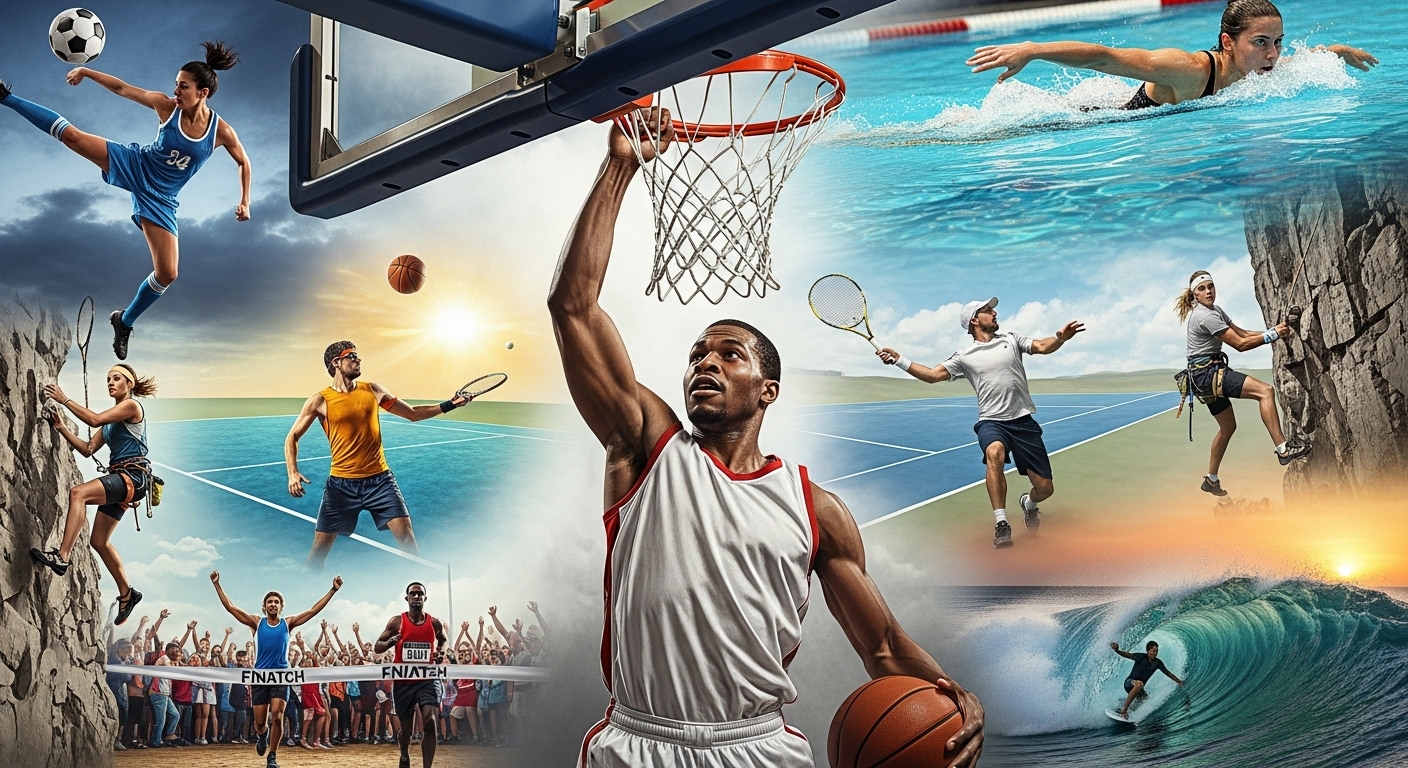
Sports have been an integral part of human civilization for centuries. They transcend age, culture, and nationality, uniting people through the universal language of competition, teamwork, and physical skill. From ancient civilizations engaging in gladiatorial contests to modern professional leagues captivating millions of fans worldwide, sports have continually evolved, reflecting societal changes and human ambition. In this comprehensive exploration, we will dive deep into the essence of sports, their impact on society, their diverse forms, and the ways they shape individuals’ lives.
The Origins and Evolution of Sports
Sports are not merely recreational activities; they are deeply rooted in human history. Evidence suggests that as early as 3000 BCE, ancient civilizations like Egypt and Mesopotamia engaged in organized physical activities. The Greeks are perhaps the most celebrated for formalizing sports in the form of the Olympic Games, which began in 776 BCE. These events emphasized physical excellence, discipline, and the celebration of human potential.
Over centuries, sports evolved in complexity and variety. The Roman Empire introduced gladiatorial contests and chariot races, which were spectacles designed for mass entertainment. In the medieval era, knights practiced jousting and archery tournaments, highlighting sports’ connection to skill, strategy, and even military readiness. As society progressed, modern sports emerged, with codified rules, governing bodies, and structured competitions. Football, basketball, and cricket, among others, became organized sports with global reach, giving rise to professional leagues and international tournaments.
The Social Impact of Sports
Sports are more than physical contests; they are powerful social tools. They bridge divides, foster community spirit, and create shared experiences. Stadiums filled with cheering fans are microcosms of society, showcasing passion, rivalry, and unity simultaneously.
At the grassroots level, sports build social cohesion. Neighborhood soccer games, local cricket clubs, or school basketball teams create opportunities for children and adults to interact, develop teamwork skills, and form lasting friendships. Sports also provide platforms for marginalized communities to gain visibility and empowerment. Programs that encourage participation among women, differently-abled individuals, or economically disadvantaged groups demonstrate how sports can be catalysts for social inclusion.
Furthermore, sports influence national identity. International competitions like the FIFA World Cup or the Olympics evoke deep patriotic emotions. Countries take immense pride in their athletes’ achievements, and these moments often serve as unifying forces during challenging times.
Physical and Mental Benefits of Sports
The benefits of engaging in sports extend far beyond entertainment. Physically, regular participation improves cardiovascular health, muscular strength, flexibility, and overall fitness. Athletes develop endurance, coordination, and agility, skills that translate into daily life and even professional performance.
Mental health is equally impacted by sports. Physical activity releases endorphins, reducing stress and enhancing mood. Team sports encourage communication, strategic thinking, and problem-solving skills. Competitive environments foster resilience and mental toughness, teaching individuals to cope with both victory and defeat. Studies show that consistent participation in sports reduces anxiety, depression, and symptoms of burnout, highlighting their holistic contribution to human well-being.
The Diversity of Sports
Sports exist in an astonishing array of forms, each with its own culture, rules, and appeal. They can be broadly categorized into several types:
1. Team Sports
Team sports emphasize collaboration, strategy, and coordination. Football, basketball, cricket, rugby, and hockey are prime examples. Success in these sports requires synergy, communication, and mutual trust. Players learn to adapt to each other’s strengths and weaknesses, creating a dynamic environment where collective effort often outweighs individual talent.
2. Individual Sports
Individual sports, such as tennis, boxing, athletics, and swimming, highlight personal discipline and self-reliance. Athletes rely solely on their preparation, focus, and skill. These sports teach accountability and self-motivation, as success and failure are entirely dependent on one’s performance.
3. Adventure and Extreme Sports
Adventure sports, like rock climbing, surfing, skiing, and skydiving, combine physical skill with thrill and risk. These sports appeal to those seeking excitement, adrenaline, and challenges beyond conventional competition. They also emphasize mental resilience, risk management, and precise decision-making under pressure.
4. Mind Sports
Mind sports such as chess, bridge, and esports require strategic thinking, focus, and mental agility. While physical exertion may be minimal, these sports are highly competitive and mentally demanding. The rise of esports has blurred the line between traditional and digital sports, creating global communities and professional careers around competitive gaming.
Women in Sports
Historically, women faced significant barriers in sports participation due to cultural norms and institutional biases. However, the modern era has witnessed a remarkable transformation. Female athletes now compete at the highest levels, achieving recognition in every sport imaginable.
Events like the Women’s World Cup in football, the Women’s Tennis Association (WTA) tour, and international athletics championships have elevated the status of women in sports. Initiatives to promote equal pay, media representation, and grassroots participation are crucial in sustaining this momentum. Women in sports serve as powerful role models, inspiring younger generations and challenging societal stereotypes.
Sports as a Career
For many, sports represent more than a hobby—they are a viable career. Professional athletes dedicate years to training, skill development, and mental preparation. The world of professional sports offers opportunities in playing, coaching, management, marketing, and sports science.
Athletes can earn lucrative contracts through professional leagues, endorsements, and sponsorships. However, a career in sports also comes with challenges, including intense competition, physical strain, and the risk of career-ending injuries. Successful athletes must balance performance with discipline, resilience, and long-term planning.
The Role of Technology in Modern Sports
Technology has revolutionized sports in ways unimaginable decades ago. From training methods to live broadcasting, innovation enhances performance and accessibility. Wearable devices track heart rate, speed, and movement patterns, enabling athletes to optimize their training. Video analysis helps refine techniques, while data analytics provide insights into strategy and opponent behavior.
Moreover, technology has transformed fan engagement. High-definition broadcasts, virtual reality experiences, and interactive apps bring fans closer to the action. Social media platforms allow athletes to connect with their audience, building personal brands and global followings. Technology also promotes inclusivity, enabling adaptive sports and assistive devices for differently-abled athletes.
Global Sporting Events
Some sporting events transcend national boundaries, capturing global attention. The Olympic Games, FIFA World Cup, Super Bowl, Tour de France, and Wimbledon Championships are not just competitions—they are cultural phenomena. These events generate immense economic activity, tourism, and media coverage. They celebrate human excellence and inspire millions worldwide.
International sporting events also foster diplomacy and cultural exchange. They provide neutral grounds where nations can engage in friendly competition, sometimes easing political tensions and promoting mutual understanding. Sportsmanship, respect, and unity often shine brightest on these global stages.
Sports and Education
Incorporating sports into education nurtures holistic development. Schools and universities encourage participation in physical activities, promoting fitness, discipline, and teamwork. Student-athletes often excel academically due to time management, focus, and perseverance cultivated through sports.
Collegiate leagues and scholarships provide opportunities for talented individuals to pursue higher education while developing their athletic potential. These programs ensure that sports are not only a path to physical well-being but also a vehicle for personal growth and professional advancement.
Sportsmanship and Ethics
At the core of sports lies the principle of fair play. Sportsmanship encompasses respect for opponents, adherence to rules, and ethical behavior both on and off the field. It teaches values that extend beyond the game, influencing personal integrity and social conduct.
Ethical dilemmas such as doping, cheating, or match-fixing challenge the integrity of sports. Governing bodies continuously enforce regulations to maintain fairness and protect athletes. The emphasis on ethics underscores that sports are not just about winning—they are about honor, respect, and the spirit of competition.
The Future of Sports
The future of sports promises to be dynamic and diverse. Emerging disciplines, technological innovations, and changing societal trends will shape the landscape. Esports and virtual reality competitions are attracting younger audiences, while adaptive sports continue to expand inclusivity.
Sustainability will also become central to sports management. From eco-friendly stadiums to responsible event planning, the sports industry is increasingly aware of its environmental impact. Mental health awareness, gender equality, and athlete welfare will continue to redefine success beyond trophies and records.
Conclusion
Sports are more than games—they are reflections of human creativity, ambition, and resilience. They unify communities, inspire individuals, and challenge limits. Whether as a participant, spectator, or professional, engaging with sports enriches lives, promotes health, and fosters values that transcend the playing field. From ancient contests to modern leagues, sports remain a timeless testament to the human spirit.
In essence, sports are a mirror of society—dynamic, inclusive, and ever-evolving. They celebrate human potential while teaching discipline, teamwork, and ethical conduct. The joy, thrill, and lessons they provide make sports an indispensable part of life, reminding us that beyond competition lies a shared passion for excellence, growth, and unity.