
Introduction: More Than Just a Game
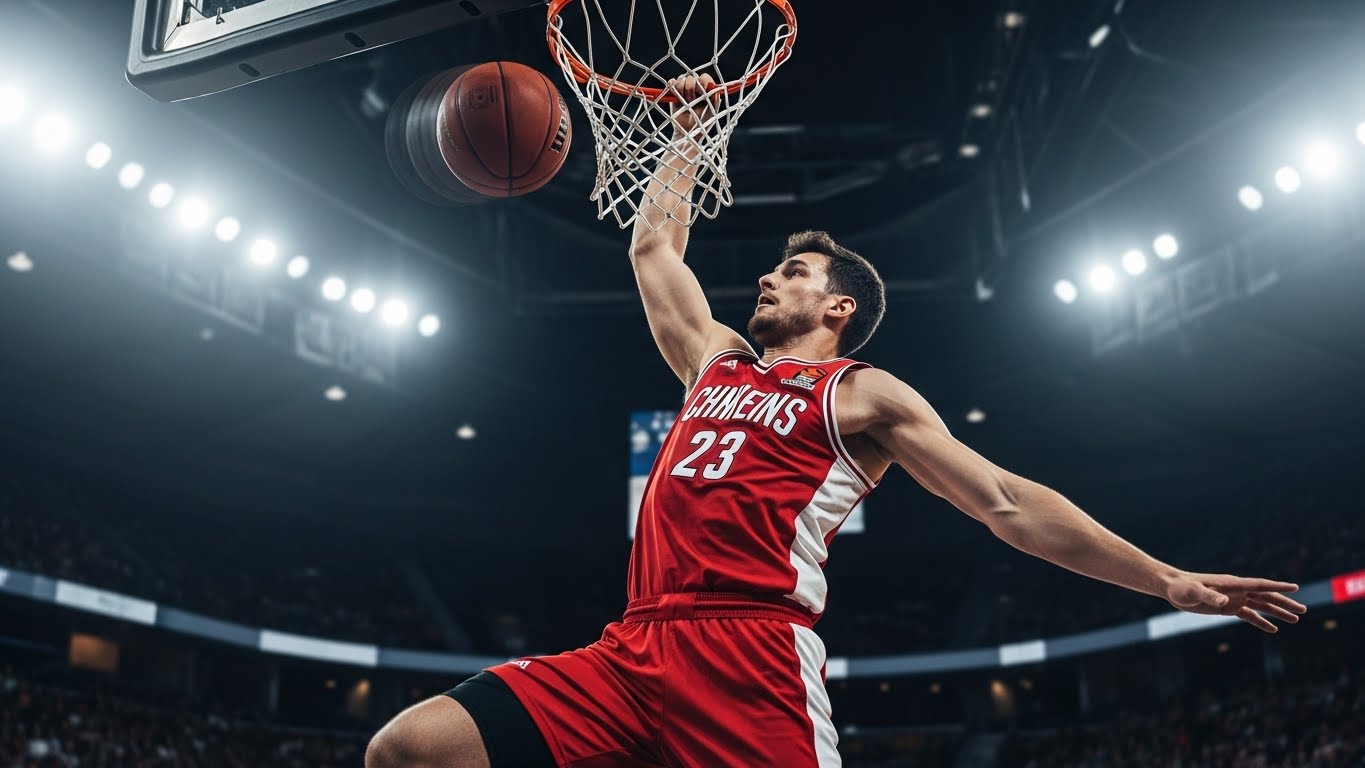
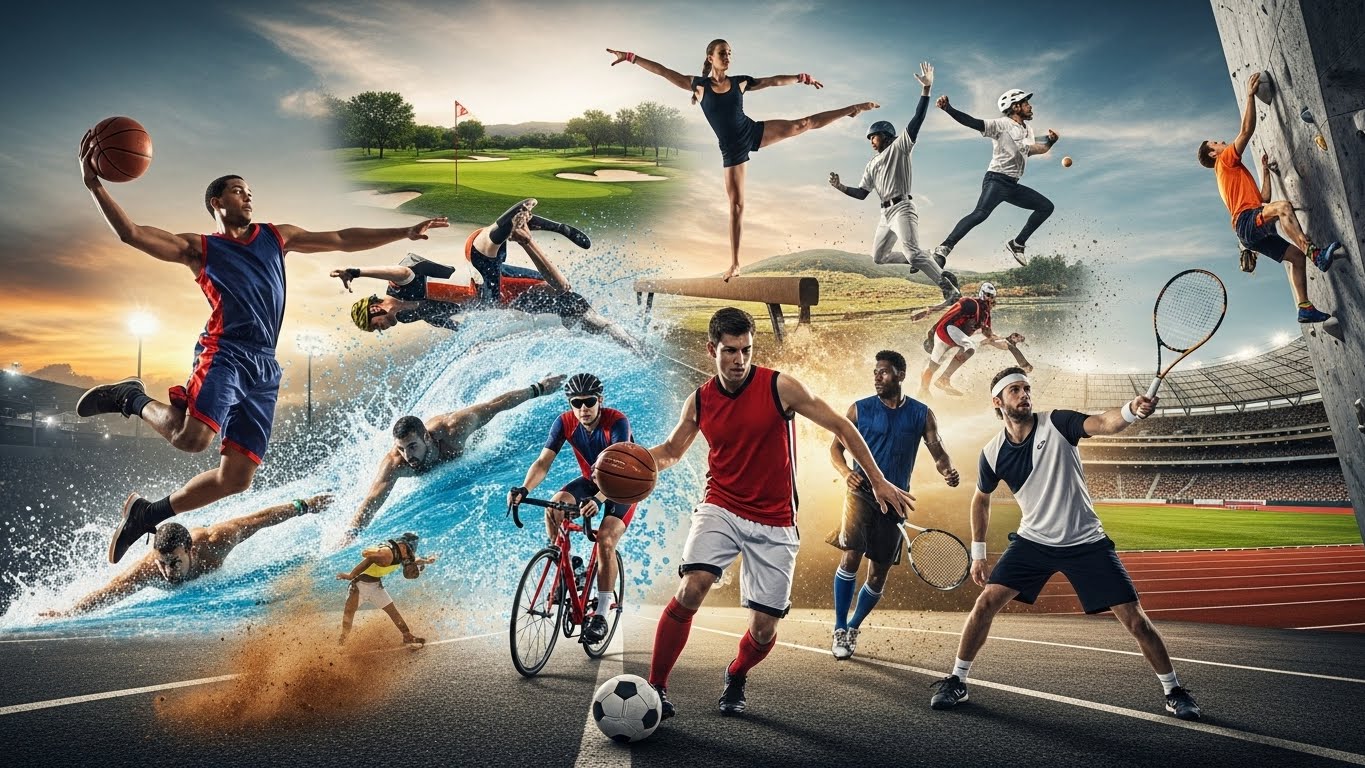
Sports have always been a powerful part of human society. From ancient civilizations competing in ritual contests to modern stadiums filled with cheering fans, sports represent far more than physical competition. They are a reflection of discipline, teamwork, emotion, and identity. Whether played professionally or casually in a neighborhood park, sports influence how people think, connect, and grow. This blog explores sports not just as games, but as a force that shapes character, culture, and the human spirit.
The Universal Language of Sports
One of the most remarkable qualities of sports is their ability to unite people across borders, languages, and cultures. A football match, a cricket series, or an Olympic race can be understood without words. The rules may vary, but the emotions are universal: joy in victory, pain in defeat, and respect for effort. Sports create shared experiences that allow strangers to feel connected, even if only for a moment. In a divided world, sports often become a rare space where unity feels natural.
Sports and Physical Well-Being
At its core, sports promote physical health. Regular participation improves strength, endurance, flexibility, and coordination. It reduces the risk of chronic illnesses and encourages an active lifestyle. Unlike routine exercise, sports add purpose and excitement to physical movement. The desire to improve performance or support a team often motivates individuals to stay active consistently. This makes sports a sustainable and enjoyable path toward long-term fitness.
Mental Strength and Emotional Balance
Sports are not only a test of the body but also of the mind. Athletes learn to manage pressure, handle failure, and stay focused under intense conditions. These mental skills extend beyond the playing field into everyday life. Dealing with loss teaches resilience, while striving for improvement builds confidence. Sports also offer emotional release, helping people cope with stress, anxiety, and frustration. The sense of achievement after hard work can be deeply fulfilling.
The Role of Discipline and Commitment
Success in sports rarely comes without discipline. Training schedules, practice routines, and personal sacrifices teach athletes the value of commitment. Showing up every day, even when motivation is low, builds habits that are essential for growth. This discipline often transfers into academics, careers, and personal goals. Sports teach that talent alone is not enough; consistent effort and patience are equally important.
Teamwork and Leadership Lessons
Team sports, in particular, offer powerful lessons in cooperation and leadership. Players must understand their roles, trust their teammates, and work toward a common goal. Communication, empathy, and accountability become essential skills. Leadership in sports is not only about giving orders but about setting examples, supporting others, and staying calm under pressure. These lessons are invaluable in professional environments and community life.
Sports as a Cultural Mirror
Sports often reflect the values and traditions of the societies in which they are played. Different regions favor different games, shaped by history, climate, and social structure. National teams become symbols of pride, and major tournaments turn into cultural celebrations. Sports can also highlight social issues, including inequality, gender roles, and access to opportunity. In this way, sports act as a mirror, showing both the strengths and challenges of a society.
The Influence of Sports Icons
Athletes often become role models, admired for their skills, dedication, and personal stories. Their journeys inspire millions, especially young people who see in them a possibility of success through hard work. While fame brings pressure, many athletes use their platforms to promote positive change, encourage healthy lifestyles, and support social causes. Their influence extends beyond the game, shaping attitudes and aspirations.
Technology and the Evolution of Sports
Modern sports have been transformed by technology. Advanced training methods, performance analytics, and improved equipment have raised the level of competition. Fans experience games through high-quality broadcasts and detailed statistics, making sports more engaging than ever. While technology enhances fairness and performance, it also raises questions about balance and accessibility. The challenge lies in using innovation to support, not overshadow, the human element of sports.
Grassroots Sports and Community Building
At the community level, sports play a crucial role in social development. Local clubs and school teams provide safe spaces for young people to learn, grow, and belong. Grassroots sports encourage inclusion, teaching respect and cooperation among individuals from different backgrounds. These early experiences often shape lifelong habits and values. Strong community sports programs can reduce social isolation and promote positive youth development.
The Business and Entertainment Side of Sports
Sports today are also a major industry, blending competition with entertainment. Professional leagues generate massive economic activity, creating jobs and opportunities worldwide. While commercialization brings resources and global reach, it can sometimes shift focus away from the spirit of the game. Maintaining integrity, fairness, and respect for athletes remains essential to preserving the true value of sports.
Challenges and Responsibilities in Sports
Despite their many benefits, sports face challenges such as corruption, excessive pressure on athletes, and unequal access. Addressing these issues requires responsibility from organizations, fans, and players alike. Promoting fair play, mental health awareness, and inclusivity is crucial for the future of sports. When guided by strong values, sports can continue to be a positive force rather than a source of harm.
Sports as a Lifelong Companion
Sports are not limited to youth or professional careers. They can be enjoyed at any age, adapting to different stages of life. Whether through casual play, coaching, or simply watching and supporting, sports remain a lifelong companion. They offer moments of excitement, reflection, and connection that enrich everyday life.
Conclusion: The Enduring Power of Sports
Sports are far more than competitions measured by scores and trophies. They shape character, build communities, and reflect the human desire to strive, belong, and overcome. Through physical effort and emotional investment, sports teach lessons that last a lifetime. In every cheer, every setback, and every moment of effort, sports remind us of our shared humanity. Beyond the scoreboard lies a powerful story of growth, resilience, and unity that continues to inspire generations.