
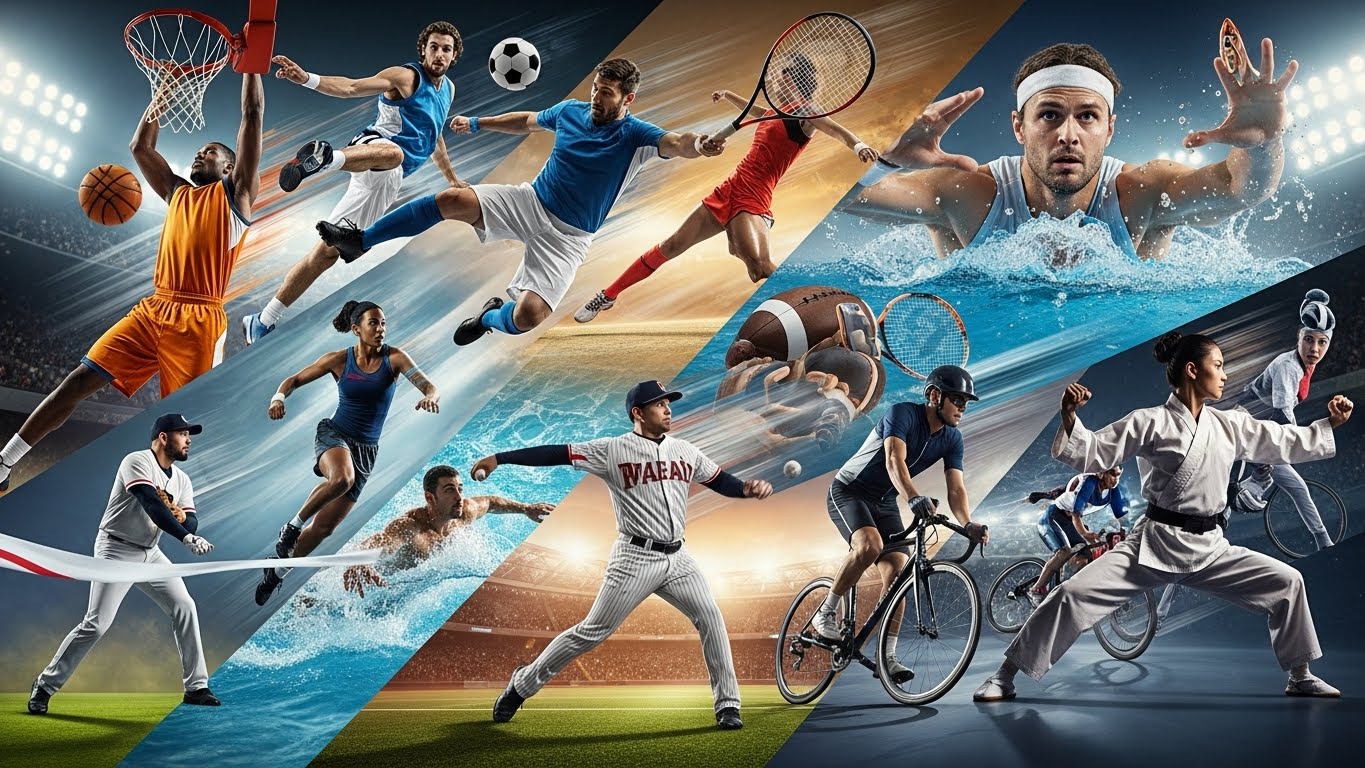
Sports have been a cornerstone of human culture for millennia, evolving from primitive rituals and contests of strength into the multi-billion dollar industry we know today. From the first Olympic Games in ancient Greece to the worldwide spectacles of modern soccer, basketball, and the growing global love for esports, the landscape of sports continues to change in profound ways. This post explores the fascinating history of sports, its cultural impact, and how it has transformed into the modern phenomenon that captures the hearts of millions around the world.
The Origins of Sports: From Rituals to Competition
Long before organized leagues and televised matches, sports were integral to early human societies, primarily serving religious or military purposes. Evidence suggests that the earliest forms of physical competition were rooted in ancient rituals or exercises to prepare warriors for battle. These activities were often based on natural movements and strength, such as running, wrestling, and archery.
One of the first known formalized sports was the ancient Greek sport of Pankration, a no-holds-barred contest that combined elements of boxing and wrestling. It was part of the ancient Olympic Games, which were founded in 776 BCE and took place every four years in Olympia. The Olympics were originally a religious festival honoring the Greek god Zeus, but over time, they became an international showcase for athletic skill and competition.
In ancient civilizations such as Mesopotamia, Egypt, and Rome, there were similar competitions, although many of these events also had ties to military training. Gladiators, for example, fought in arenas for the entertainment of the masses in the Roman Empire, and the first recorded form of competitive chariot racing occurred in Egypt, later becoming a prominent sport in ancient Rome.
The Rise of Modern Sports: Industrial Revolution and Globalization
While sports existed in various forms in ancient civilizations, the modern concept of organized sport began to take shape during the 19th century. The Industrial Revolution, which saw technological advancements and urbanization, provided the foundation for organized sporting events to flourish. The development of railroads, for example, made it easier for teams and athletes to travel to competitions, and the invention of the printing press allowed sports to be documented and popularized.
One of the most significant developments during this time was the creation of standardized rules for many popular sports. Football (soccer) had been played for centuries in various forms, but the modern version of the sport emerged in England during the mid-1800s when the Football Association was founded in 1863. This led to the establishment of professional leagues and national teams.
Similarly, the formation of the Rugby Football Union in 1871 formalized rugby as a distinct sport, and baseball became formalized in the United States in the late 1800s with the creation of the National League in 1876. These early instances of standardized sports helped create the foundation for the globalized sports world we see today.
In addition to the codification of rules, the rise of sports during this era also reflected growing national identities. As sports became organized and leagues were established, countries began to embrace them as part of their cultural fabric. International competitions such as the 1896 Summer Olympics, which marked the return of the ancient games in modern form, became a way for countries to showcase their national pride on a global stage.
The Globalization of Sports: The 20th Century and Beyond
The 20th century witnessed a dramatic expansion in the reach and influence of sports. The creation of new forms of media, particularly radio, television, and later the internet, allowed fans to follow their favorite sports and athletes in real time. This era marked the transformation of sports from regional pastimes to global phenomena.
Perhaps no other sport exemplifies this shift more than soccer. Originally a sport played primarily in England, by the early 20th century, soccer had become the world’s most popular sport, with major leagues forming in countries across Europe, South America, and beyond. The FIFA World Cup, which began in 1930, remains one of the most watched sporting events globally, drawing billions of viewers every four years.
The rise of professional sports leagues in the United States, such as the National Football League (NFL), Major League Baseball (MLB), and the National Basketball Association (NBA), also contributed to the global appeal of sports. With lucrative television contracts, sponsorship deals, and the growth of commercial sports, professional athletes began to earn salaries that far surpassed those of other professionals. This era saw the emergence of superstar athletes like Muhammad Ali, Michael Jordan, Pelé, and Serena Williams, whose fame transcended borders and cultural differences.
In the latter half of the 20th century, sports began to diversify even further. The popularity of women’s sports grew, and leagues such as the Women’s National Basketball Association (WNBA) in the U.S. and the rise of female athletes like Billie Jean King and Mia Hamm broke down barriers for women in competitive sports.
At the same time, new sports emerged to reflect the changing tastes of younger generations. The late 20th century saw the rise of extreme sports such as skateboarding, snowboarding, and surfing, which attracted a youthful, rebellious audience and were eventually incorporated into the mainstream, even making appearances at the Summer Olympics.
The Digital Revolution: Sports in the 21st Century
In recent years, the digital revolution has had a profound impact on the sports world. The advent of social media, streaming services, and advanced digital technology has made sports more accessible and interactive than ever before. Fans can now watch games live from anywhere in the world, engage with their favorite athletes on social media platforms, and even participate in fantasy sports leagues.
One of the most significant shifts in recent years has been the rise of esports—competitive video gaming—as a legitimate sport in its own right. Esports tournaments now fill massive arenas, and video game competitions such as the League of Legends World Championship and The International (Dota 2) draw millions of viewers worldwide. Esports has not only created a new avenue for competitive play but also provided opportunities for athletes, streamers, and commentators to build global followings and make a career out of gaming.
Sports technology has also seen incredible advancements. Wearables that monitor athletes’ health, augmented reality (AR) and virtual reality (VR) experiences for fans, and advanced analytics that offer deeper insights into player performance have all become integral to the modern sports landscape. In many ways, the digital era has transformed sports into a more immersive and data-driven experience, benefiting both athletes and fans.
The Role of Sports in Society: Culture, Identity, and Social Change
Beyond entertainment, sports play a crucial role in shaping societal values and cultural identity. For many people, sports offer a sense of community and belonging, whether they are cheering for their hometown team or participating in local leagues. Sports also provide a platform for social change, as athletes use their visibility to address important issues such as racial inequality, gender discrimination, and political freedom.
Throughout history, athletes like Jackie Robinson, Tommie Smith, and John Carlos have used their platforms to advocate for civil rights, challenging societal norms and pushing for equality. More recently, athletes such as Colin Kaepernick, Megan Rapinoe, and LeBron James have continued to use their visibility to address systemic injustices in society.
The influence of sports on culture is also evident in the global popularity of major events like the FIFA World Cup, the Olympic Games, and the Super Bowl. These events have become more than just competitions; they are celebrations of human achievement, cultural exchange, and national pride.
Conclusion: The Future of Sports
As we look toward the future, it’s clear that sports will continue to evolve in exciting and unpredictable ways. The rise of new technologies such as artificial intelligence, VR, and advanced biomechanics will likely lead to new forms of competition and fan engagement. Esports will continue to grow, and traditional sports may see even more global integration as cross-cultural exchanges become easier.
The continued role of sports in promoting social change and addressing global issues will also be essential. As athletes increasingly use their platforms to address political and social issues, sports will remain a powerful tool for fostering unity and dialogue in a divided world.
Whether through the timeless appeal of soccer, the high-flying action of basketball, or the strategic play of esports, sports will remain an essential part of human culture. From ancient rituals to modern entertainment, sports have proven their ability to adapt, connect, and inspire. As long as people continue to compete and cheer, the spirit of sport will thrive—ushering in the next chapter of its extraordinary journey.