
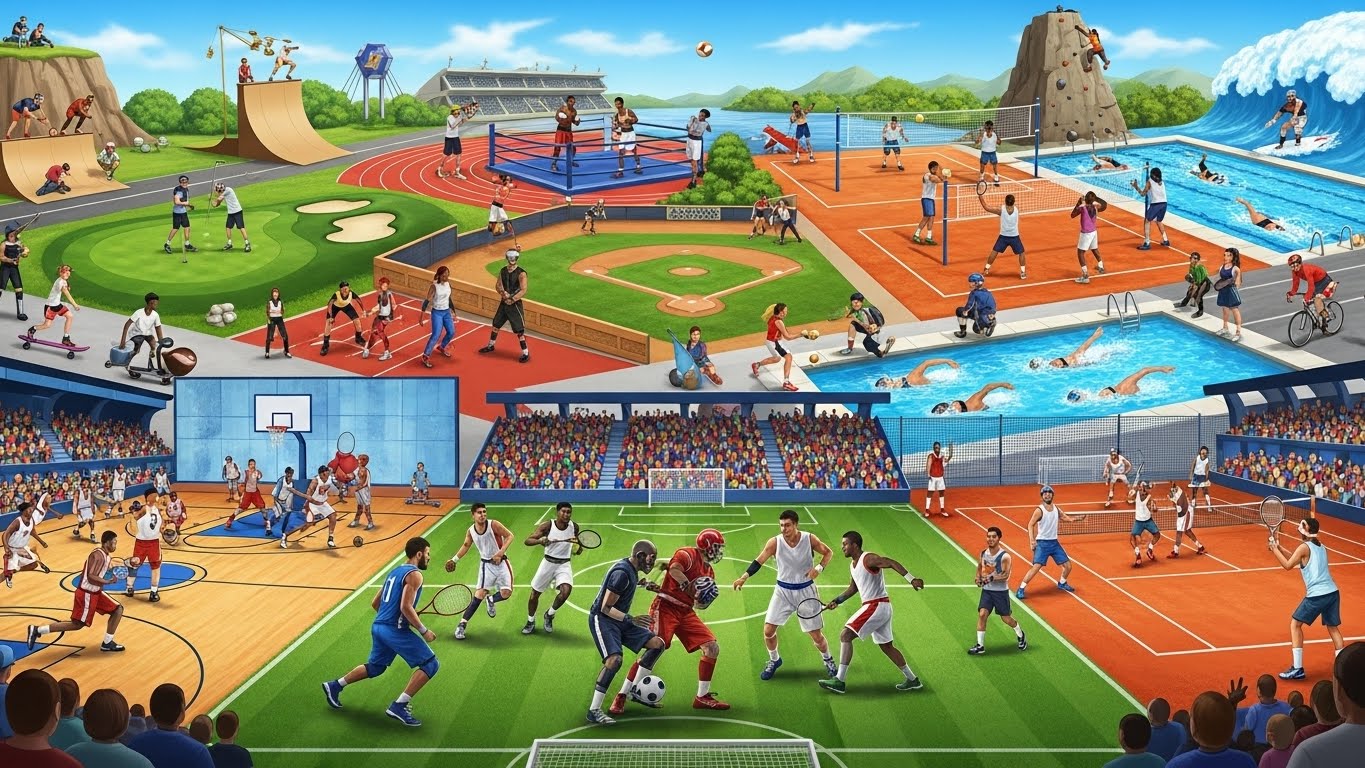
Introduction: The Universal Language of Sports
Sports have been an integral part of human culture for centuries, transcending borders, languages, and generations. They are more than games or competitions; they are a reflection of human spirit, determination, and collaboration. From ancient Olympic contests to modern professional leagues, sports inspire, entertain, and unify people across the globe. They foster discipline, teamwork, resilience, and passion while promoting physical health and mental well-being. This blog explores the history, social impact, cultural significance, and future of sports, highlighting why they remain essential in the modern world.
The History and Evolution of Sports
Sports have deep historical roots. Ancient civilizations such as Greece, Rome, and China developed organized competitions that showcased athletic prowess, strategy, and courage. The Olympic Games in ancient Greece were more than athletic contests—they honored culture, religion, and human excellence.
In the modern era, sports evolved into structured competitions with standardized rules and global audiences. Football, basketball, cricket, and athletics became organized through leagues, tournaments, and international federations. Advancements in media and technology enabled mass viewership, allowing sports to become both entertainment and a source of national pride. Today, sports continue to evolve, incorporating science, data analytics, and cutting-edge technology to enhance performance and fan engagement.
The Physical and Health Benefits of Sports
Sports play a crucial role in maintaining physical health. Regular participation enhances cardiovascular fitness, strengthens muscles and bones, improves flexibility, and supports weight management. Sports also boost the immune system and promote better sleep, contributing to overall well-being.
Beyond physical benefits, sports support mental health. Exercise releases endorphins, reducing stress, anxiety, and depression. The discipline and routine associated with training instill focus, perseverance, and resilience. Youth participation in sports fosters early healthy habits, while adults benefit from continued physical activity, demonstrating that sports are essential for lifelong health.
Sports and Teamwork
One of the most important lessons sports teach is teamwork. Whether on a soccer field, basketball court, or relay race, athletes learn to coordinate with others, communicate effectively, and trust their teammates. Team sports create shared goals and collective responsibility, highlighting the importance of collaboration and cooperation.
The skills learned through teamwork in sports translate into professional and personal life. Individuals learn conflict resolution, leadership, and accountability while understanding that success often depends on the collective effort rather than individual talent alone. Sports cultivate interpersonal skills that are essential beyond the playing field.
Discipline, Dedication, and Personal Growth
Sports demand discipline and dedication. Athletes commit countless hours to training, studying strategies, and refining techniques. This rigorous process develops self-motivation, time management, and perseverance. Learning to overcome setbacks, injuries, and losses builds character and resilience.
Participation in sports instills a growth mindset, encouraging individuals to push limits and continuously improve. The lessons of hard work, goal-setting, and persistence gained through sports are transferable to academics, careers, and personal challenges. Sports cultivate life skills that shape individuals into well-rounded, resilient, and determined human beings.
The Social and Cultural Impact of Sports
Sports have a profound social and cultural impact. They bring communities together, foster national pride, and create shared experiences. Major events such as the Olympics, World Cup, and international championships unite fans from diverse backgrounds, creating moments of collective celebration and joy.
Sports also reflect societal values and inspire social change. Athletes often use their platforms to raise awareness about important issues, including equality, mental health, and environmental sustainability. They serve as role models, demonstrating integrity, courage, and dedication. The cultural influence of sports extends to fashion, music, media, and entertainment, highlighting their role as a powerful social force.
Sports and Education
Sports and education are deeply interconnected. Schools and universities often promote sports as part of physical education and extracurricular activities. Participation in sports supports academic performance by enhancing focus, discipline, and time management.
Student-athletes develop a balance between physical and mental exertion, learning to prioritize responsibilities and manage stress. Scholarships and professional opportunities also provide pathways for talented athletes to pursue higher education while excelling in their chosen sports. Sports within educational settings contribute to holistic development, nurturing both the mind and body.
Technology and Innovation in Sports
Technology has revolutionized sports, enhancing performance, safety, and fan engagement. Wearable devices track biometric data, monitor training progress, and prevent injuries. Video analysis and data analytics allow coaches and athletes to refine strategies, optimize techniques, and make informed decisions during games.
Virtual reality and augmented reality technologies are transforming training and fan experiences. VR allows athletes to simulate game scenarios, while AR enhances broadcasting by providing real-time statistics and interactive viewing. Social media and streaming platforms also enable fans to engage with their favorite sports and athletes globally. Technology continues to push the boundaries of performance and accessibility in sports.
The Economics of Sports
Sports are a major economic driver globally. Professional leagues, sponsorships, merchandise, and broadcasting rights generate billions of dollars annually. Major sporting events stimulate local economies, attract tourism, and create employment opportunities.
Beyond professional sports, grassroots programs and community initiatives contribute to economic development by promoting health, social inclusion, and participation. The sports industry, therefore, is not only about entertainment but also about economic impact and growth.
Sports and Mental Resilience
Sports challenge individuals mentally as much as physically. Competing under pressure, dealing with setbacks, and maintaining focus are essential skills that build mental resilience. Athletes develop problem-solving abilities, emotional regulation, and stress management through consistent practice and competition.
Mental resilience in sports extends to everyday life. Individuals learn to stay composed in challenging situations, make strategic decisions under pressure, and maintain motivation despite obstacles. The psychological benefits of sports contribute to overall well-being and personal growth, emphasizing the role of sports as a mental training ground.
Inclusivity and Accessibility in Sports
Sports are increasingly embracing inclusivity and accessibility. Adaptive sports programs provide opportunities for individuals with physical or cognitive disabilities to participate and compete. Women’s sports are gaining recognition and investment, promoting gender equality and representation in athletics.
Community programs and school initiatives aim to reduce barriers to participation, ensuring that sports are accessible regardless of socioeconomic status. Inclusive sports foster diversity, teamwork, and mutual respect, reflecting the values of modern society.
Global Sports Events and Their Influence
Global sports events such as the Olympics, World Cup, and international tournaments have immense cultural and social significance. They inspire unity, patriotism, and cross-cultural interaction. Athletes representing their nations become symbols of excellence, perseverance, and national identity.
These events also highlight the role of sports diplomacy, where nations engage in collaboration, exchange, and competition on an international stage. Global sports events leave lasting legacies through infrastructure development, youth programs, and cultural exchange, emphasizing their importance beyond the games themselves.
The Future of Sports
The future of sports promises greater innovation, inclusivity, and global engagement. Emerging technologies will continue to enhance training, performance analysis, and fan experiences. Esports is gaining recognition as a competitive and professional field, bridging traditional sports and digital entertainment.
Sustainability and environmental consciousness are becoming central to sports management. Eco-friendly stadiums, green events, and sustainable practices reflect the growing responsibility of the sports industry toward society and the planet. The future of sports will be a blend of tradition, innovation, and global collaboration, inspiring new generations of athletes and fans alike.
Conclusion: Why Sports Matter
Sports are more than games—they are a reflection of human ambition, resilience, and creativity. They promote physical health, mental well-being, teamwork, discipline, and social connection. Sports influence culture, economics, education, and technology, shaping societies in profound ways.
Participation in sports teaches lessons that extend beyond the field: dedication, perseverance, strategic thinking, and empathy. They create moments of joy, unity, and inspiration that transcend borders and generations. In a rapidly changing world, sports remain a timeless and universal force, reminding us of the power of human potential, collaboration, and the pursuit of excellence.
Sports are not just about competition; they are about growth, culture, and life itself. Whether played professionally or casually, locally or internationally, sports continue to shape who we are, how we connect, and how we thrive as individuals and communities.