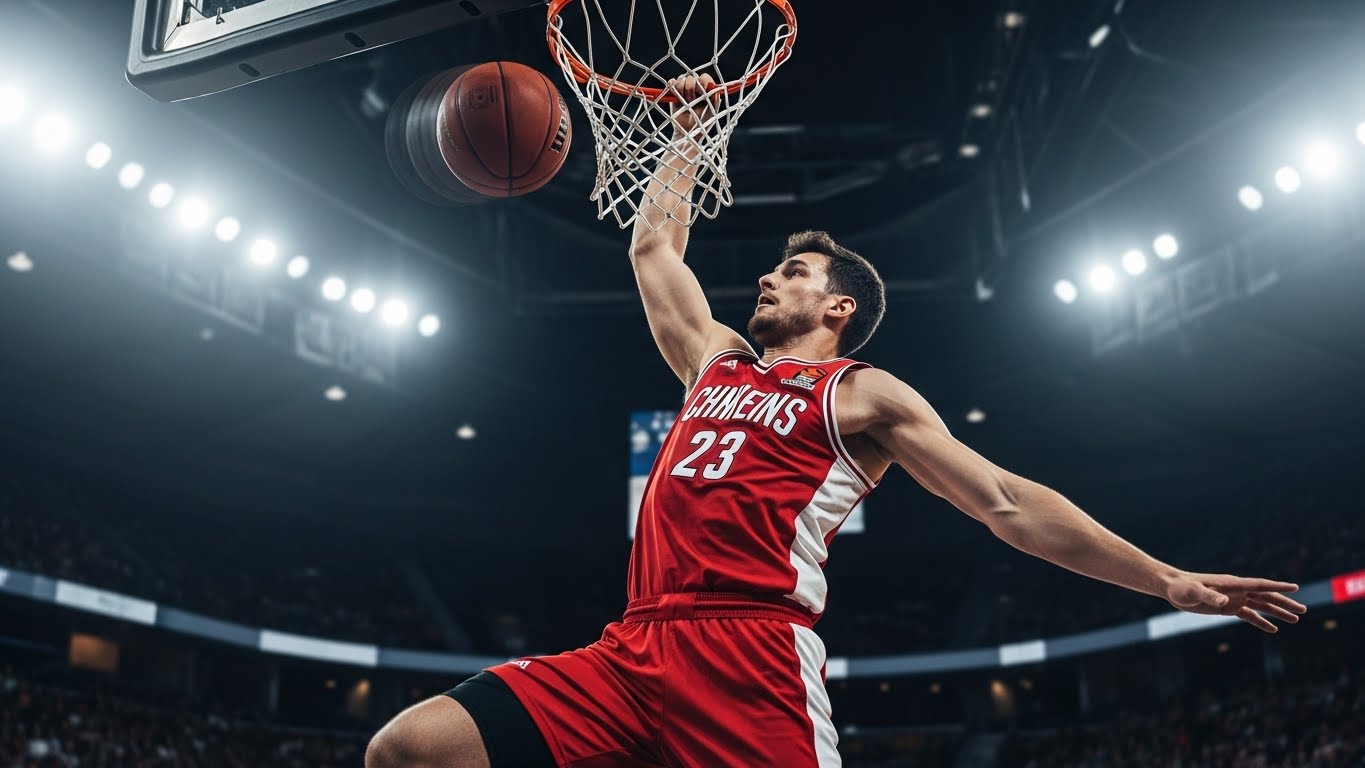
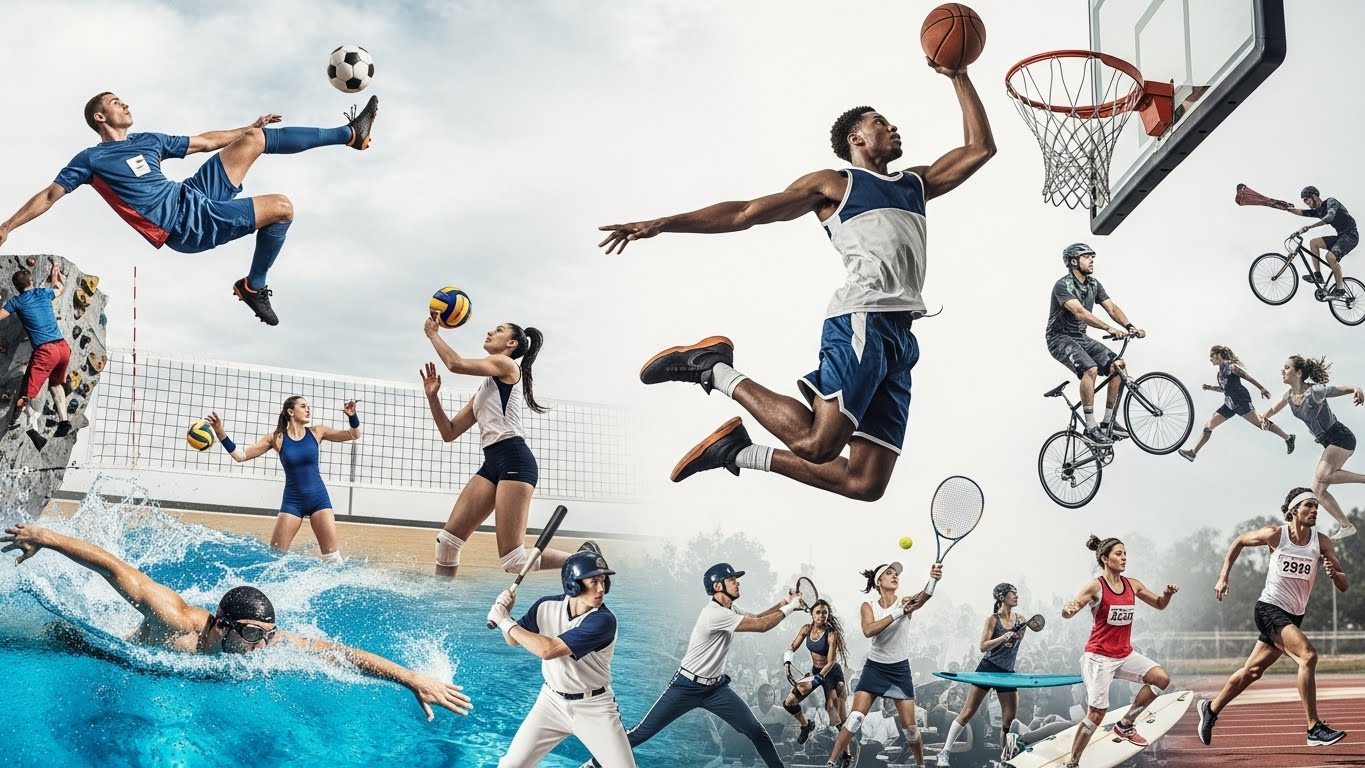
Sports have been an integral part of human culture for centuries, transcending national borders, languages, and socioeconomic statuses. Whether it’s the thrilling intensity of a World Cup final, the strategic genius of a chess tournament, or the communal joy of a neighborhood basketball game, sports have a unique ability to connect people from all walks of life. They represent more than just physical activity; they are a reflection of human determination, spirit, and the pursuit of excellence. This blog explores the role of sports in modern society, their impact on individuals, and why they remain as relevant today as they have ever been.
The Universal Language of Sports
One of the most remarkable aspects of sports is their universality. No matter where you are in the world, chances are that people are engaging in some form of sports activity. From football in Europe to cricket in South Asia, from basketball in the United States to rugby in New Zealand, sports have an innate ability to unite people across cultures. In fact, sports are often regarded as a universal language that can bridge gaps where words may fail.
At their core, sports provide a common ground for people of different backgrounds to come together. Whether they are spectators or participants, people find joy in the shared excitement of a game. The energy in a stadium or the fervor of fans gathered around a TV screen during a major event is something that can only be fully appreciated in the context of a live sporting event. When millions of people worldwide tune in to the Olympics or the FIFA World Cup, for example, they are not just watching a game; they are participating in a global celebration of athleticism and human achievement.
Sports events often go beyond competition. They serve as powerful cultural expressions, showcasing the traditions, values, and pride of nations. For instance, the passion surrounding the Super Bowl in the United States, the Wimbledon finals in the UK, and the Copa América in South America speaks to the deep-seated connection people have with their favorite sports and athletes. These events provide an opportunity for people to set aside their differences and come together in celebration, making sports a force for unity.
The Psychological Benefits of Sports
Engaging in sports, whether professionally or recreationally, offers a wide range of psychological benefits. The most immediate and obvious benefit is the improvement of physical health. Regular exercise boosts cardiovascular health, improves muscle tone, and strengthens the immune system. But beyond the physical, the mental and emotional benefits of sports are just as significant.
For starters, sports can greatly reduce stress and anxiety. The act of physical exertion releases endorphins, chemicals in the brain that act as natural mood lifters. This leads to feelings of happiness, calm, and reduced tension. Engaging in physical activity also offers an escape from the everyday worries of life. The focus required during a sporting activity often leads to a “flow” state, where players are fully immersed in the task at hand, providing a welcome distraction from stress.
Additionally, sports can boost self-esteem and build confidence. Accomplishing a physical challenge, whether it’s running a marathon, hitting a home run, or even mastering a difficult yoga pose, gives individuals a sense of achievement. This sense of accomplishment can transfer to other aspects of life, fostering a positive self-image and encouraging the pursuit of personal goals outside the playing field.
Sports also offer a structured environment for personal development. Athletes learn discipline, perseverance, teamwork, and leadership. The routine of practice, the commitment to improvement, and the acceptance of failure are all key lessons that are essential not only for athletic success but for life in general. This process of growth and self-improvement is particularly evident in youth sports, where children learn important social and life skills that will serve them for years to come.
Sports and the Power of Teamwork
One of the most powerful aspects of sports is the emphasis on teamwork. In many sports, success is not solely dependent on individual performance but on how well a group of people works together toward a common goal. This is true in team sports like soccer, basketball, and football, as well as in more collaborative efforts like rowing, cycling, and volleyball.
Team sports teach individuals to rely on others and trust in their teammates’ abilities. They help foster a sense of community, where each member of the team contributes in their unique way. Learning to work together toward a collective goal, overcoming challenges, and celebrating success as a unit can have profound impacts on personal development and social relationships. This sense of camaraderie can often translate into real-life situations, where individuals are more inclined to collaborate and communicate effectively in professional and personal settings.
Moreover, teamwork in sports teaches the value of sacrifice. Players often have to put aside their own personal desires or egos for the benefit of the team. In doing so, they learn the importance of working in the best interests of a group and gain a deeper understanding of how individual actions contribute to a collective outcome.
The Cultural Impact of Sports
Beyond their personal benefits, sports have an undeniable cultural impact. They shape and reflect the values of the societies in which they are played. Major sporting events, such as the Olympics, the World Cup, and the Tour de France, are cultural touchstones that provide insight into the ethos and identity of nations. For instance, the Olympics represent a celebration of global unity and peace, as athletes from all over the world come together to compete in the spirit of friendly competition.
Sports also have the power to influence politics, social issues, and movements. Athletes have long been at the forefront of social change, using their platform to raise awareness about critical issues. Figures like Muhammad Ali, Jackie Robinson, and more recently, Colin Kaepernick, have used sports as a vehicle for social and political activism, challenging societal norms and advocating for justice.
In many parts of the world, sports are also deeply intertwined with national pride and identity. Countries often use sporting success to reinforce their global image, with victories on the world stage fostering a sense of collective pride and unity. For example, Brazil’s dominance in soccer, India’s passion for cricket, and the United States’ success in basketball and American football have become integral parts of national identity.
The Evolution of Sports in the Digital Age
With the rise of digital media, the world of sports has undergone a transformation. Technology has enhanced the way we consume and engage with sports, offering fans more ways than ever to follow their favorite teams and athletes. The advent of streaming services, mobile apps, and social media platforms has made it easier for people to stay connected to live events, regardless of where they are located.
The global reach of sports has expanded thanks to platforms like YouTube, Twitter, and Instagram, which allow fans to engage with sports content in real-time. Social media gives fans a chance to interact with athletes, share opinions, and celebrate victories together. It has also allowed lesser-known athletes and niche sports to gain visibility and grow their fanbases.
Esports, the competitive side of video gaming, is another prime example of how sports are evolving in the digital age. What started as a subculture has grown into a billion-dollar industry, with professional leagues, global tournaments, and millions of fans tuning in to watch live-streamed competitions. Esports has blurred the lines between traditional sports and digital entertainment, giving rise to a new generation of athletes and fans.
Additionally, advancements in virtual and augmented reality (VR/AR) are pushing the boundaries of how sports are experienced. Virtual reality allows fans to experience games from the perspective of an athlete or in a fully immersive environment, creating new opportunities for fan engagement and interaction.
The Future of Sports
As we look to the future, the evolution of sports seems limitless. The integration of technology, the global spread of esports, and the increasing focus on inclusivity and diversity all point toward an exciting and transformative future for the world of sports. The continued growth of women’s sports, along with greater representation of marginalized groups, is pushing the boundaries of what is possible within the sporting world.
Moreover, there is a growing emphasis on health and fitness, with more people getting involved in recreational sports and fitness activities. This shift toward wellness is likely to continue, as people of all ages recognize the value of staying active and participating in physical activities, whether for competition or leisure.
Sports will continue to serve as a source of entertainment, inspiration, and personal growth. Whether it’s the pursuit of athletic excellence or the joy of playing for fun, sports will remain an essential part of human culture for generations to come.
Conclusion
Sports are much more than just games; they are a reflection of the human spirit. They bring people together, teach valuable life lessons, foster cultural understanding, and provide countless psychological benefits. From the field to the screen, sports have a universal appeal that continues to inspire and unite people across the globe.
As the world continues to change, sports will evolve and adapt, but their core essence will remain the same. The thrill of competition, the joy of achievement, and the sense of community will continue to drive the world of sports, making it an enduring force in human society. Whether you’re a professional athlete, an avid fan, or someone who enjoys playing casually, sports will always have a special place in our hearts.