
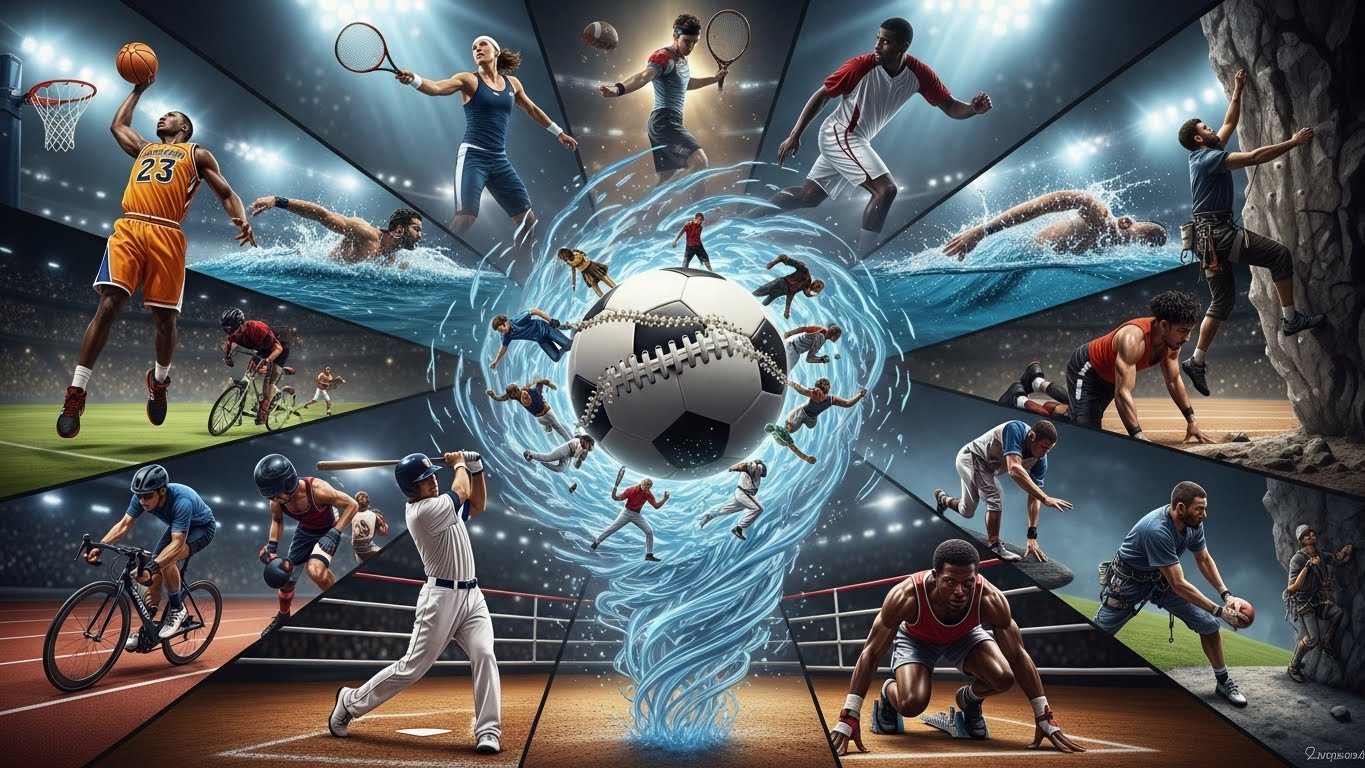
Introduction: The Universal Language of Sports
Sports have always been more than just games. Across cultures and generations, they serve as a unifying force that transcends language, geography, and social boundaries. From the roar of stadiums to neighborhood playgrounds, sports inspire passion, teamwork, and resilience. But the impact of sports goes far beyond competition. It shapes personal character, community engagement, and even global culture. This blog explores the multifaceted influence of sports, highlighting how they touch every aspect of our lives, both on and off the field.
The Physical Benefits of Sports
The most immediate and obvious impact of sports is on physical health. Regular participation in sports improves cardiovascular fitness, strengthens muscles and bones, and enhances flexibility and coordination. Activities such as swimming, running, soccer, and basketball not only burn calories but also improve endurance and overall vitality.
Engaging in sports also reduces the risk of chronic diseases like diabetes, heart disease, and obesity. Beyond the physical benefits, regular exercise stimulates the release of endorphins, which improve mood and reduce stress. In essence, sports are not just games; they are tools for maintaining a healthy, balanced life.
Mental Health and Cognitive Development
Sports are just as beneficial for the mind as they are for the body. Participation in sports has been shown to enhance mental health by reducing anxiety, depression, and stress levels. Team sports, in particular, promote social interaction, a sense of belonging, and emotional resilience. Athletes learn to cope with pressure, overcome setbacks, and stay focused—skills that are transferable to everyday life.
Cognitive development is also influenced by sports. Decision-making, strategic thinking, and problem-solving skills are honed through gameplay. For children and adolescents, sports improve concentration, memory, and academic performance. Even for adults, mental agility and quick reflexes are strengthened through regular participation in competitive or recreational sports.
Teamwork and Social Skills
One of the greatest lessons sports teach is teamwork. Success in sports rarely depends solely on individual talent; collaboration, communication, and trust are equally essential. Players learn to support one another, share responsibilities, and celebrate collective achievements. These social skills extend beyond the field, benefiting personal and professional relationships.
Sports also teach conflict resolution and empathy. Athletes experience victories and defeats together, which encourages understanding and emotional intelligence. The ability to navigate competition, manage disagreements, and work toward common goals makes sports a vital tool for social development.
Leadership and Discipline
Sports cultivate discipline and leadership in unique ways. Athletes follow rigorous training schedules, adhere to rules, and consistently strive for improvement. This discipline often translates into other areas of life, including academics, career, and personal growth.
Leadership is nurtured through responsibility, motivation, and guidance of teammates. Captains and senior players learn to inspire others, make strategic decisions, and maintain morale during challenging situations. These leadership experiences often shape future leaders in society, demonstrating the far-reaching influence of sports beyond athletic performance.
Cultural Impact of Sports
Sports hold a powerful place in culture, serving as a source of identity, pride, and tradition. National and local teams often become symbols of unity, inspiring entire communities. Events such as the Olympic Games, World Cup, and international tournaments celebrate athletic achievement while fostering global connections and understanding.
Sports also influence fashion, media, and entertainment. Athletic achievements are celebrated through storytelling, films, and documentaries, while iconic athletes become cultural icons who inspire millions. The cultural resonance of sports illustrates their ability to go beyond competition and become a universal language of human experience.
Economic Influence of Sports
While sports are often associated with entertainment, they also have significant economic impact. Professional leagues, tournaments, and sporting events generate billions in revenue annually. Ticket sales, sponsorships, merchandising, broadcasting rights, and tourism contribute to local and national economies.
Moreover, sports-related industries create employment opportunities for coaches, trainers, physiotherapists, journalists, and many others. Investment in infrastructure, such as stadiums and training facilities, drives economic growth while encouraging community engagement. Sports, therefore, are not only a source of passion but also a major contributor to economic development.
Inspiring Role Models and Personal Growth
Athletes often serve as role models, demonstrating dedication, resilience, and integrity. Their stories of overcoming obstacles, facing adversity, and achieving excellence inspire millions to pursue their own goals. Role models in sports highlight the importance of perseverance, ethics, and teamwork, offering lessons applicable to all areas of life.
Sports also foster personal growth. Athletes learn to set goals, manage time, and embrace challenges. Every victory and defeat becomes an opportunity for reflection and self-improvement. This continuous cycle of learning and growth makes sports an essential tool for personal development, instilling values that last a lifetime.
Sports and Technology
Technology has transformed how sports are played, viewed, and analyzed. Advanced equipment, wearable devices, and performance tracking systems enhance training and safety. Video analysis and data analytics help coaches make informed decisions, improve strategies, and prevent injuries.
Fans also benefit from technology. Live streaming, virtual reality experiences, and interactive apps provide immersive ways to engage with sports. The integration of technology into sports demonstrates its evolving nature, combining tradition with innovation to create new experiences for athletes and audiences alike.
Youth Engagement and Education
Sports play a critical role in the education and development of young people. Participation in school or community programs teaches discipline, teamwork, and resilience from an early age. Sports also encourage healthy habits, time management, and social skills, laying the foundation for lifelong well-being.
Educational institutions increasingly recognize the value of sports, integrating physical activity into curricula and promoting extracurricular participation. This engagement helps reduce sedentary behavior, prevent childhood obesity, and foster holistic growth. By teaching both athletic and life skills, sports contribute to the comprehensive development of future generations.
Sportsmanship and Ethical Values
Sports are a powerful platform for teaching ethical values. Fair play, honesty, respect, and integrity are core principles that athletes learn and practice. Good sportsmanship extends beyond rules, encouraging individuals to celebrate achievements humbly and handle losses gracefully.
Ethical values learned through sports also influence society. Athletes who demonstrate integrity inspire fans and communities to uphold similar standards in their own lives. By emphasizing fairness and respect, sports contribute to a culture of morality, teamwork, and mutual understanding.
Global Unity Through Sports
Sports have a unique ability to unite people across borders. International competitions foster camaraderie, cultural exchange, and mutual respect. Fans from diverse backgrounds come together to support their teams, creating moments of shared excitement and collective pride.
Events like the Olympic Games and global tournaments showcase the potential of sports to transcend political, cultural, and social differences. They highlight the universal nature of human competition, teamwork, and celebration, reminding us that despite our differences, we can come together through shared passions.
The Future of Sports
The future of sports promises continued evolution, driven by technology, innovation, and changing social dynamics. Virtual reality training, AI-powered analytics, and sustainable sports infrastructure are just a few trends shaping the next generation of athletic experiences.
Inclusivity and accessibility are also at the forefront, ensuring that sports are available to all, regardless of ability, gender, or socioeconomic status. Adaptive sports programs, community initiatives, and global campaigns aim to make athletic participation more equitable and rewarding.
As sports evolve, they will continue to play a vital role in shaping physical health, mental well-being, social cohesion, and cultural identity, solidifying their place as a cornerstone of human society.
Conclusion: More Than Just a Game
Sports are much more than competitions or physical activity. They are instruments of personal growth, social development, cultural connection, and economic progress. From the health benefits of regular exercise to the life lessons learned through teamwork and leadership, sports influence virtually every aspect of human life.
Beyond the thrill of victory and the agony of defeat, sports teach resilience, discipline, and ethical values. They inspire communities, unite nations, and create role models who leave lasting legacies. Whether played on a professional stage or in a local playground, the impact of sports is profound, demonstrating that their value extends far beyond the scoreboard.
In a world increasingly focused on technology and instant gratification, sports remain a timeless avenue for building character, fostering unity, and celebrating the human spirit. They remind us that while games may end, the lessons and inspirations they provide last a lifetime.