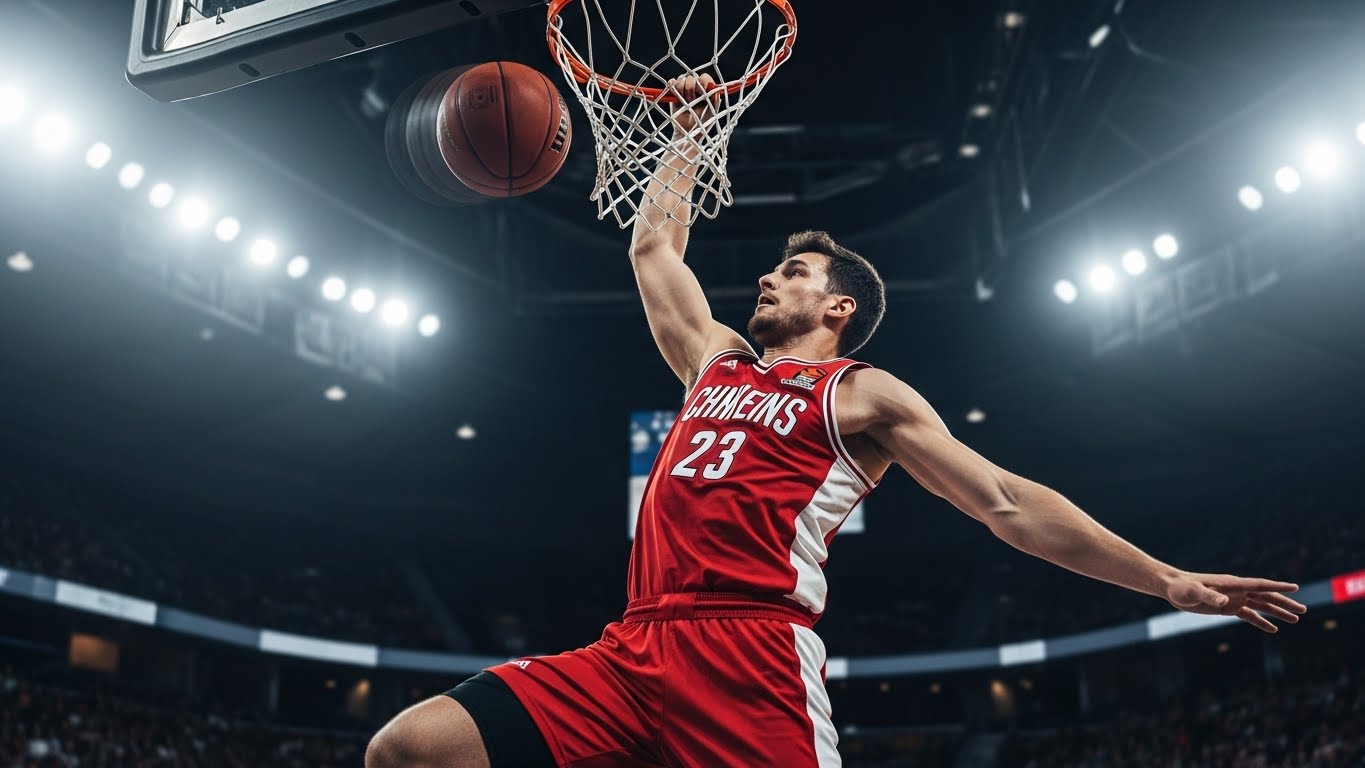
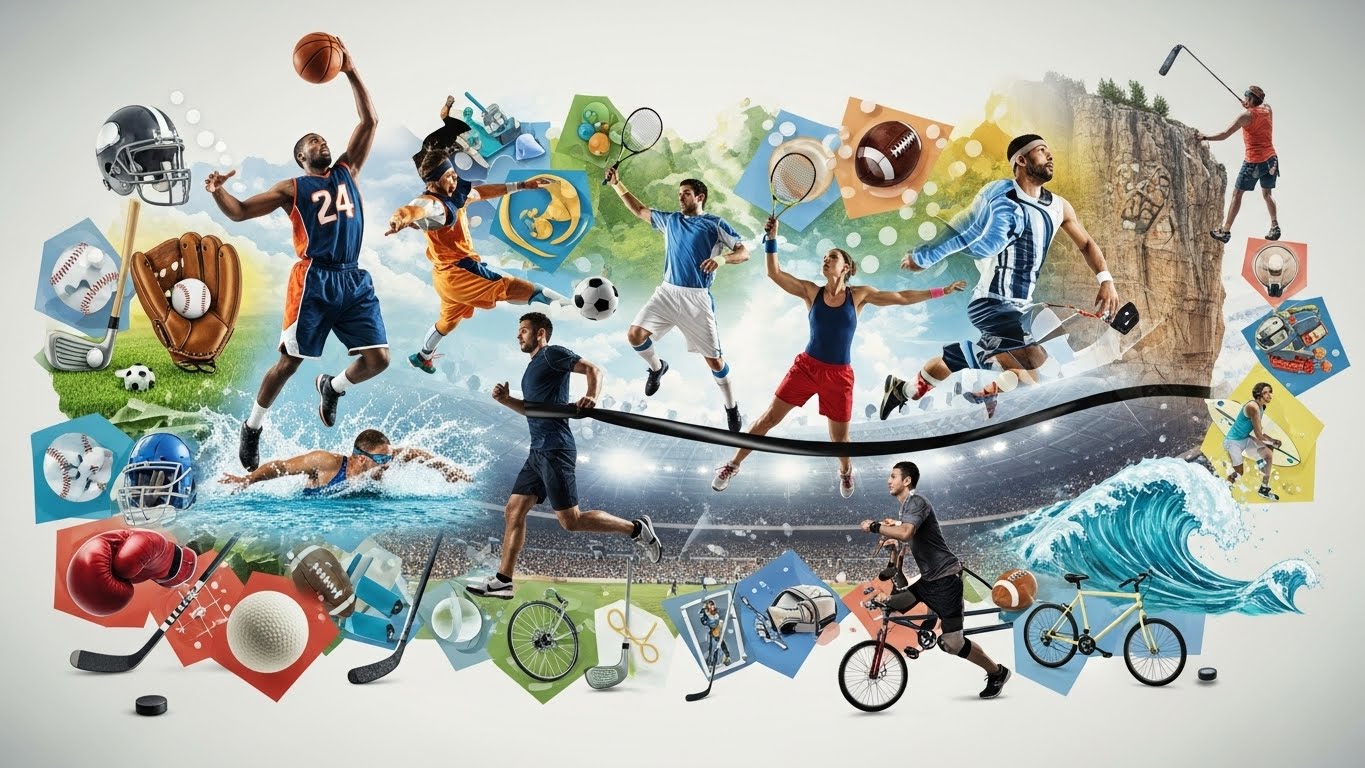
Sports have been an integral part of human civilization for centuries, transcending borders, cultures, and generations. From ancient Olympic games in Greece to modern-day global tournaments, sports have always served as a universal language of passion, competition, and camaraderie. While many perceive sports simply as a form of entertainment, its impact reaches far deeper, influencing physical health, mental well-being, social relationships, and even national pride. This blog explores the multifaceted significance of sports, highlighting why they matter far beyond the playing field.
The Physical Benefits of Sports
One of the most immediate and visible benefits of engaging in sports is its positive effect on physical health. Regular participation in physical activities such as soccer, basketball, swimming, or running strengthens muscles, improves cardiovascular health, and enhances flexibility. Consistent exercise through sports also helps in maintaining a healthy weight, reducing the risk of obesity, and preventing chronic illnesses such as diabetes and hypertension.
Additionally, sports improve coordination, balance, and reflexes. These physical advantages extend beyond the individual, as a healthy athlete contributes to a more active and productive community. Engaging in sports from an early age sets the foundation for lifelong fitness habits, ensuring better health outcomes in adulthood.
Mental Health and Cognitive Advantages
While physical benefits are the most visible, the mental and cognitive advantages of sports are equally significant. Participation in sports has been proven to reduce stress, anxiety, and symptoms of depression. Physical activity stimulates the production of endorphins, commonly known as “feel-good” hormones, which improve mood and overall mental well-being.
Moreover, sports foster cognitive development, particularly in younger athletes. Strategic games like chess, football, and basketball enhance critical thinking, problem-solving, and decision-making skills. Team sports, in particular, require quick thinking and adaptability, training the brain to respond effectively under pressure. For adults, recreational sports provide a mental escape from daily stressors, promoting emotional resilience and sharper cognitive function.
Building Discipline and Time Management
Sports are not just about physical strength; they are a rigorous exercise in discipline. Athletes learn to adhere to strict training schedules, maintain a balanced diet, and consistently strive for improvement. These lessons in discipline often translate into other areas of life, including academics, professional work, and personal relationships.
Time management is another crucial skill honed through sports. Balancing practice sessions, games, and personal commitments requires careful planning and prioritization. Young athletes, in particular, learn to allocate their time wisely, ensuring that sports complement their studies or career goals rather than hinder them. These life skills instilled through sports often shape individuals into well-rounded, responsible adults.
Teamwork and Social Skills
One of the most profound impacts of sports is the development of social skills. Team sports like football, volleyball, and cricket emphasize collaboration, communication, and empathy. Athletes learn to work together toward a common goal, navigate conflicts, and celebrate collective achievements.
Even individual sports like tennis or swimming offer social benefits, as they often involve interactions with coaches, teammates, and competitors. Participation in sports fosters a sense of community, builds friendships, and promotes mutual respect. These social connections not only enhance personal happiness but also strengthen societal cohesion by encouraging cooperation and understanding among diverse groups.
Sports as a Tool for Character Development
Beyond physical and social benefits, sports are a powerful medium for character building. They teach resilience, perseverance, and humility. Athletes face victories and defeats, learning to celebrate success gracefully and handle failure with dignity. These experiences cultivate mental toughness, emotional stability, and a strong sense of integrity.
Sports also encourage goal-setting and ambition. Athletes set performance targets, track progress, and constantly challenge themselves to improve. This mindset often translates into other life domains, fostering a proactive attitude and a commitment to personal growth.
Economic and Cultural Significance
Sports hold significant economic and cultural value as well. Major sporting events like the Olympics, FIFA World Cup, and national leagues generate substantial revenue, create employment opportunities, and boost local economies. Cities hosting tournaments experience a surge in tourism, hospitality, and infrastructure development.
Culturally, sports serve as a unifying force. National pride often peaks during international competitions, fostering a sense of identity and belonging. Legendary athletes become symbols of inspiration, breaking barriers and redefining societal norms. Their stories motivate countless individuals to pursue excellence and overcome adversity.
Sports and Youth Development
The role of sports in youth development cannot be overstated. Beyond keeping young people physically active, sports provide a constructive outlet for energy and creativity. Participation in sports reduces the likelihood of engaging in harmful behaviors, promoting a healthier, more productive lifestyle.
Schools and communities that prioritize sports education help children develop a strong sense of self-confidence and leadership skills. Whether through competitive leagues or recreational activities, sports encourage teamwork, accountability, and fair play—qualities that shape responsible future citizens.
Inclusivity and Sports for All
Modern sports have evolved to become more inclusive, emphasizing accessibility for all genders, abilities, and backgrounds. Initiatives promoting adaptive sports for individuals with disabilities and programs encouraging women’s participation have created more equitable opportunities. This inclusivity not only enriches the sporting world but also fosters social equality, challenging stereotypes and breaking down barriers.
Inclusivity in sports also inspires empathy and awareness. When athletes engage with diverse communities, they develop a broader understanding of human experiences, fostering compassion and unity. Sports thus serve as a powerful tool for social change, promoting equality and acceptance on a global scale.
The Psychological Thrill of Spectating
Sports are not only about playing; spectating has its own psychological and emotional benefits. Watching sports creates a sense of excitement, anticipation, and shared experience. Fans experience emotional highs and lows alongside their favorite teams or athletes, creating a powerful sense of connection.
Spectating also provides inspiration and motivation. Witnessing extraordinary athletic achievements encourages individuals to set personal goals, try new activities, and push their boundaries. Sports fandom fosters community spirit, bridging generational, cultural, and geographic divides.
Technology and the Future of Sports
The integration of technology has transformed the sporting landscape, enhancing training, performance, and fan engagement. Wearable devices track biometric data, helping athletes optimize fitness and prevent injuries. Video analysis and virtual reality simulations allow for precise strategy development and skill refinement.
For fans, technology has made sports more accessible than ever. Live broadcasts, interactive apps, and online platforms enable real-time engagement and global connectivity. The fusion of technology and sports ensures a dynamic, evolving future where innovation continues to elevate the experience for both athletes and spectators.
Conclusion: Sports as a Lifelong Companion
Sports are far more than games; they are a vital part of human life that nurtures body, mind, and spirit. From enhancing physical health and mental resilience to fostering social cohesion and cultural pride, the influence of sports is profound and far-reaching. Engaging in sports cultivates discipline, teamwork, empathy, and perseverance, shaping individuals into better versions of themselves.
Whether as a player, a coach, or a passionate spectator, sports offer lessons that extend well beyond the field. They encourage lifelong learning, personal growth, and global connectivity. In a world that often feels divided and fast-paced, sports remain a timeless reminder of human potential, unity, and the joy of striving for excellence.
Embracing sports, in every form, is embracing a lifestyle of balance, resilience, and passion—a true celebration of what it means to live fully.