
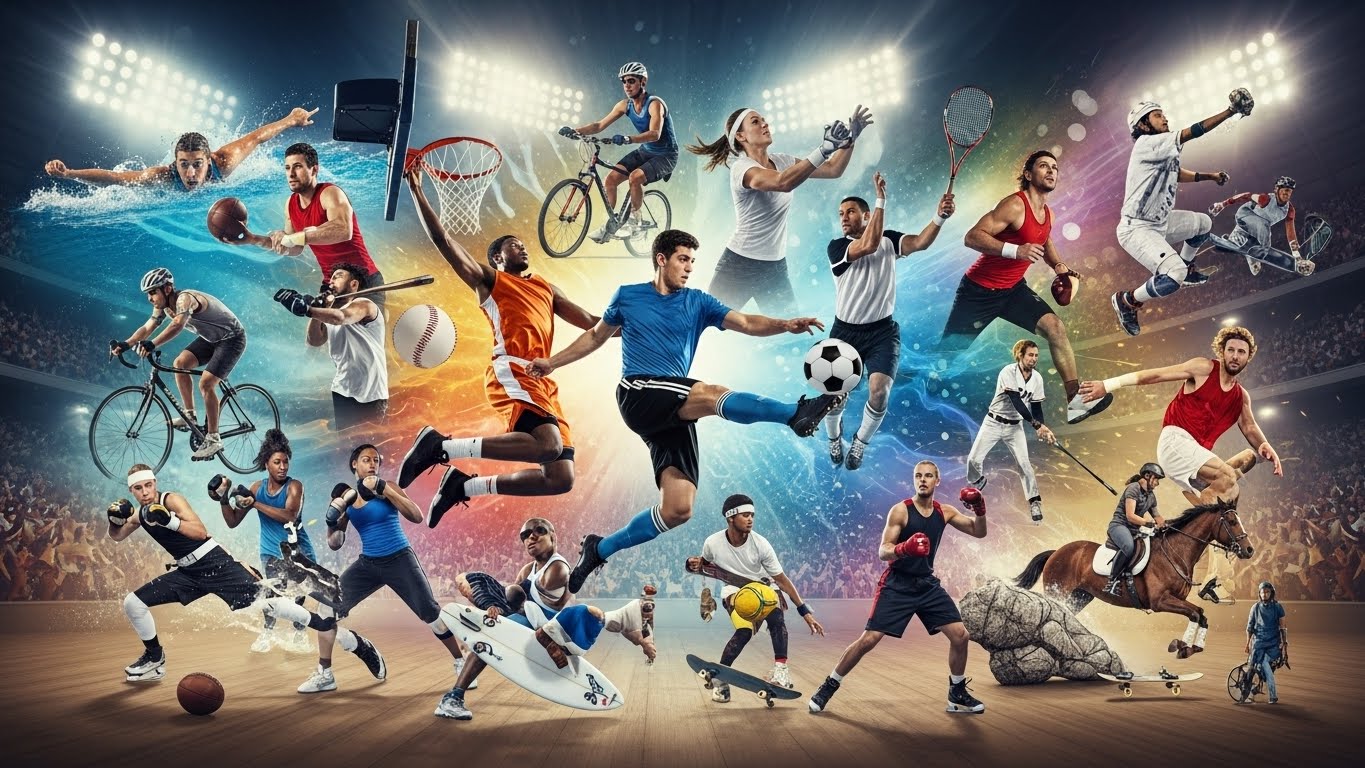
Sports are far more than a form of entertainment or physical activity. They have been a cornerstone of human culture for thousands of years, reflecting our values, ambitions, and collective identity. From ancient civilizations to modern arenas, sports have inspired individuals, united communities, and even influenced global culture. Beyond the thrill of competition, sports teach discipline, resilience, teamwork, and leadership, while also contributing to physical and mental well-being. This blog explores the multifaceted role of sports in human life, their cultural and societal impact, the benefits they offer, and the challenges they face in the modern world.
The History and Evolution of Sports
Sports have existed in some form since ancient times. In ancient Greece, the Olympic Games were held as early as 776 BCE to honor the gods, combining athletic skill with moral and spiritual values. Similarly, civilizations like the Romans, Egyptians, and Mayans engaged in organized sports and physical contests, often as part of cultural rituals or military training.
With the passage of time, sports evolved into organized recreational and competitive activities. In the Middle Ages, tournaments, jousts, and footraces were popular, while the Industrial Revolution introduced organized team sports such as football, cricket, and rugby. These games became more accessible to the general population, fostering community pride and collective identity. Today, professional sports leagues, international competitions, and recreational activities provide opportunities for millions of people to participate, watch, and celebrate athletic achievements.
Physical Benefits of Sports
One of the most immediate benefits of sports is their positive impact on physical health. Regular participation in sports improves cardiovascular health, strengthens muscles and bones, enhances flexibility, and increases coordination and agility. Athletes develop endurance, speed, and reflexes that not only help in sports but also contribute to daily life activities.
Sports are also instrumental in preventing and managing chronic diseases. Physical activity reduces the risk of obesity, diabetes, hypertension, and heart disease. Engaging in sports encourages a healthy lifestyle that includes proper nutrition, regular exercise, and adequate rest, promoting overall longevity and well-being.
Mental and Emotional Advantages
While physical benefits are often highlighted, the mental and emotional advantages of sports are equally significant. Participation in sports can reduce stress, anxiety, and depression by stimulating the release of endorphins—the brain’s natural “feel-good” chemicals. The structure and discipline involved in training also foster focus, patience, and perseverance.
Sports teach essential life skills such as resilience, goal-setting, and coping with failure. Team sports, in particular, cultivate social intelligence, empathy, and leadership qualities. Athletes learn to work collaboratively, communicate effectively, and manage conflicts, lessons that extend beyond the playing field into careers, relationships, and personal development.
Sports as a Tool for Social Unity
Sports have a unique ability to bring people together. Fans from diverse backgrounds come together to support their teams, creating a sense of belonging and shared identity. Local sporting events strengthen community cohesion and encourage volunteerism, while international competitions like the World Cup and Olympics foster global camaraderie.
Moreover, sports often serve as a platform for social change. Throughout history, athletes have used their visibility to advocate for civil rights, gender equality, and environmental sustainability. Iconic moments of protest, barrier-breaking achievements, and acts of solidarity demonstrate the power of sports to influence society positively and inspire progress.
Cultural Significance of Sports
Sports are deeply embedded in cultural identity. Many countries view specific sports as a reflection of their national heritage and pride. Football in Brazil, cricket in India, sumo wrestling in Japan, and ice hockey in Canada are not just games—they are cultural symbols that evoke deep emotional connections.
Beyond national identity, sports influence fashion, music, and art. They inspire literature, cinema, and creative expression, reflecting societal values and trends. The cultural impact of sports extends beyond the field, creating a shared language of competition, aspiration, and excellence.
Economic Impact of Sports
The sports industry is a significant economic driver. Professional leagues, tournaments, broadcasting rights, merchandise sales, and sponsorship deals generate billions of dollars worldwide. Sports tourism, stadium construction, and training academies create jobs and stimulate local economies.
Professional athletes themselves are economic contributors. Star players attract endorsements, promote consumer products, and influence market trends. Even at the grassroots level, recreational sports facilities, fitness programs, and youth development initiatives contribute to economic activity, making sports a powerful engine for growth and employment.
Challenges in Modern Sports
Despite their benefits, sports face several modern challenges. Doping, corruption, and unethical practices can undermine fairness and public trust. The increasing commercialization of sports sometimes shifts focus from personal development and community engagement to profit and entertainment value.
In addition, inclusivity remains an ongoing issue. Women, minority groups, and differently-abled individuals often face limited access to opportunities, unequal pay, and reduced visibility. Addressing these disparities is essential to ensuring that sports remain fair, accessible, and beneficial to all participants.
The Role of Technology in Sports
Technology has transformed how sports are played, viewed, and analyzed. Advanced training tools, performance analytics, wearable devices, and video review systems allow athletes and coaches to optimize performance. Fans benefit from live streaming, virtual reality experiences, and interactive platforms that bring the action closer than ever.
Emerging technologies also enhance accessibility. Adaptive equipment enables differently-abled athletes to participate in competitive sports, while online platforms provide opportunities for global fan engagement and virtual competitions. Technology continues to shape the evolution of sports, making them safer, more inclusive, and more exciting.
Personal Growth Through Sports
Participation in sports fosters personal growth and self-development. Athletes learn to set goals, manage time effectively, and cultivate discipline. Sports challenge individuals to overcome fear, handle pressure, and embrace continuous improvement.
Beyond physical and mental skills, sports build character. They teach integrity, fair play, and humility, reinforcing values that extend into everyday life. Whether in victory or defeat, athletes develop resilience, confidence, and a mindset geared toward growth and achievement.
Sports and Education
Sports play a significant role in education. Schools and universities use athletics to teach teamwork, leadership, and perseverance. Participation in sports enhances academic performance by promoting discipline, focus, and time management.
Scholarships and athletic programs also provide pathways for higher education, particularly for talented individuals from underprivileged backgrounds. By integrating sports into education, institutions foster holistic development, preparing students for both professional and personal success.
The Future of Sports
The future of sports is dynamic and evolving. Esports, virtual competitions, and technological innovations are expanding the definition of sports and competition. Global connectivity allows fans and players to interact in unprecedented ways, while inclusivity initiatives are making sports accessible to broader demographics.
Sustainability is becoming a central focus in sports. Eco-friendly stadiums, responsible event management, and initiatives promoting physical activity and well-being are shaping a future where sports contribute not only to entertainment but also to social and environmental responsibility.
Conclusion: More Than Just a Game
Sports are far more than physical contests; they are a reflection of human ambition, creativity, and resilience. They promote health, teach critical life skills, foster community, drive economies, and inspire cultural expression. From local playgrounds to international stadiums, sports unite people, challenge limits, and celebrate human potential.
Ultimately, whether as a player, coach, or fan, engaging in sports teaches lessons that extend beyond the field. Sports encourage us to strive for excellence, work collaboratively, and embrace challenges with courage. They are a universal language, a source of inspiration, and a powerful force shaping lives and societies around the world.