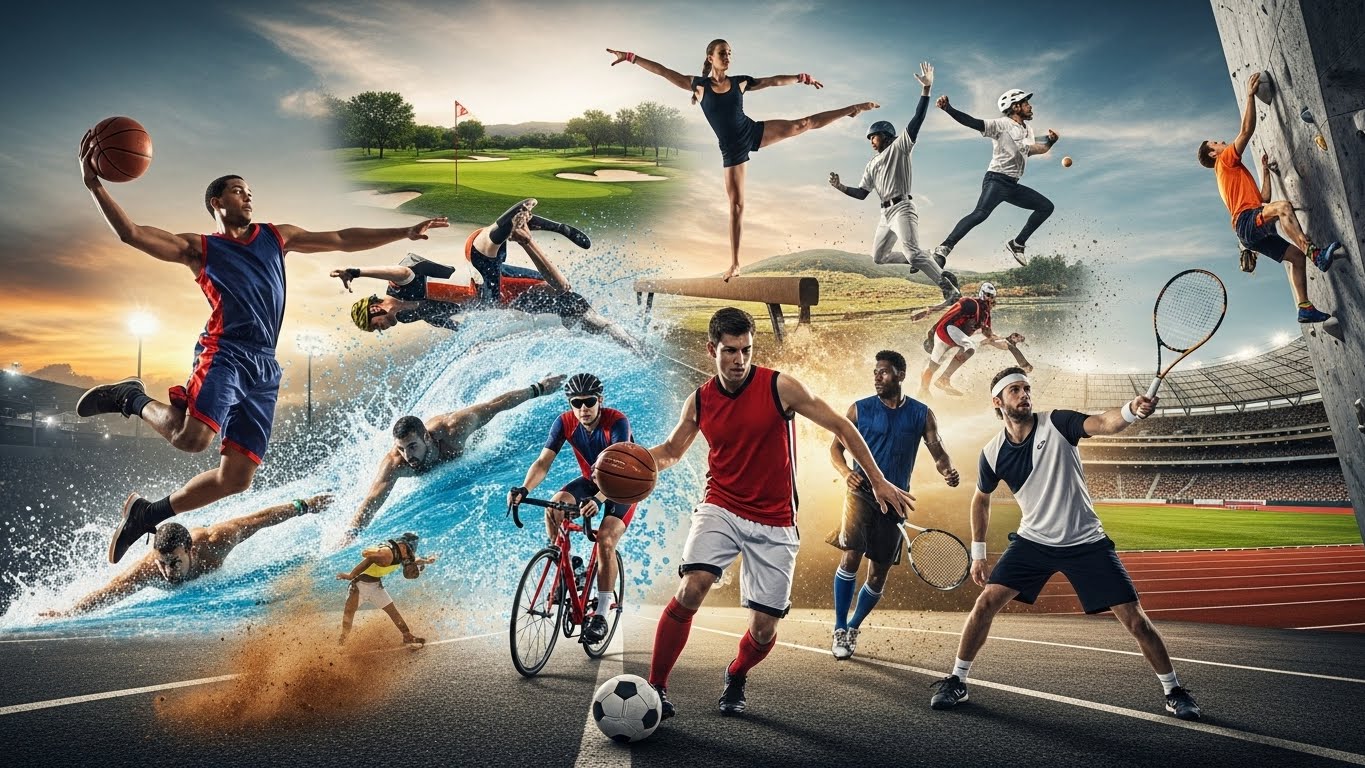

Introduction: The Universal Language of Sports
Sports have always been more than just games. Across cultures, generations, and continents, sports serve as a universal language that brings people together. From the bustling streets of urban cities to rural fields, sports inspire teamwork, discipline, and resilience. They offer a platform for personal growth, cultural exchange, and social interaction. Over time, the world of sports has evolved into a global phenomenon, impacting not only physical health but also education, economy, and society at large.
The Evolution of Sports Through History
The history of sports is as diverse as human civilization itself. Ancient societies engaged in physical contests for survival, military training, and entertainment. The Greeks institutionalized competitive games through the Olympics, emphasizing honor, skill, and athletic excellence. In modern times, sports have expanded to include professional leagues, international competitions, and technological innovations that enhance both performance and spectator experience. The evolution of sports reflects humanity’s desire for competition, achievement, and shared experiences.
The Physical Benefits of Sports
Engaging in sports offers profound physical benefits. Regular participation improves cardiovascular health, strengthens muscles, enhances flexibility, and boosts endurance. Team sports encourage coordination, balance, and reflex development, while individual sports foster self-discipline and body awareness. Beyond general fitness, sports help prevent lifestyle-related illnesses, such as obesity, diabetes, and heart disease. Physical activity through sports is also linked to improved immune function, making it an essential component of a healthy lifestyle.
The Psychological Impact of Sports
Sports do more than strengthen the body; they also shape the mind. Participation promotes mental resilience, stress relief, and emotional regulation. Athletes learn to manage pressure, cope with setbacks, and celebrate victories with humility. Engaging in sports has been linked to improved focus, concentration, and cognitive function. For young people, sports can enhance confidence, self-esteem, and social skills, creating a foundation for success both on and off the field.
Sports as a Platform for Teamwork and Leadership
One of the most valuable lessons sports impart is the importance of teamwork. Success in team sports requires communication, cooperation, and mutual respect. Players learn to coordinate strategies, support teammates, and adapt to changing circumstances. These skills extend beyond the field, fostering leadership, collaboration, and problem-solving in academic, professional, and personal settings. Sports instill a sense of accountability, teaching individuals that collective effort often outweighs individual talent.
The Role of Sports in Community Building
Sports have the power to unite communities and create shared experiences. Local tournaments, school leagues, and neighborhood games foster connections between people of all ages and backgrounds. Sporting events provide opportunities for families, friends, and communities to gather, celebrate achievements, and develop a sense of belonging. In many regions, sports serve as a cultural cornerstone, promoting social cohesion and community pride.
Economic Significance of Sports
The economic impact of sports is substantial. Professional leagues, tournaments, and sporting events generate revenue through ticket sales, merchandising, sponsorships, and broadcasting rights. Sporting infrastructure, such as stadiums and training facilities, stimulates local economies and creates employment opportunities. Beyond professional sports, recreational activities drive industries like fitness equipment, apparel, and tourism. Sports contribute not only to physical well-being but also to economic growth and development.
Sports and Education
Education and sports are deeply interconnected. Schools and universities encourage participation in athletics to promote holistic development. Student-athletes learn valuable life skills such as time management, perseverance, and goal-setting. Many institutions offer scholarships and programs that recognize athletic talent, providing pathways to higher education and professional careers. Sports education emphasizes character development alongside academic achievement, preparing individuals for balanced and successful lives.
Sports as a Vehicle for Social Change
Throughout history, sports have been a platform for social change and advocacy. Athletes have used their influence to challenge discrimination, promote equality, and inspire societal progress. Iconic figures in sports have broken racial, gender, and cultural barriers, setting examples for future generations. By fostering inclusivity and raising awareness, sports have the potential to reshape societal norms and contribute to global social justice initiatives.
Technological Advancements in Sports
Technology has transformed how sports are played, viewed, and analyzed. Wearable devices, performance tracking systems, and advanced training tools allow athletes to optimize performance. Video analysis and data analytics help teams develop strategies and make informed decisions. Broadcasting innovations, including high-definition streaming and virtual reality experiences, enhance fan engagement and bring sports closer to global audiences. Technology continues to elevate the sporting experience for both players and spectators.
The Influence of Sports on Popular Culture
Sports play a significant role in shaping popular culture. Athletes are celebrated as role models, celebrities, and influencers, inspiring fashion trends, media content, and entertainment. Iconic sporting moments are immortalized in films, literature, and art, reflecting the emotional power of competition. Sports influence language, social interactions, and lifestyle choices, making them an integral part of cultural identity and collective memory.
The Mental Toughness Developed Through Sports
Participating in sports cultivates mental toughness, which is critical for personal and professional growth. Athletes develop perseverance by overcoming losses and setbacks. They learn to stay focused under pressure and maintain motivation during challenging situations. These skills extend beyond sports, equipping individuals to handle adversity in life, work, and relationships. Mental toughness instilled through sports creates resilient, adaptable, and determined individuals.
Inclusivity and Diversity in Sports
Modern sports increasingly emphasize inclusivity and diversity. Women’s leagues, adaptive sports programs, and multicultural teams highlight the importance of equitable participation. By promoting opportunities for all individuals, sports contribute to social integration and representation. Inclusive sports environments foster understanding, mutual respect, and appreciation of differences, demonstrating that athletic competition can unite people across various backgrounds and abilities.
Challenges Facing the World of Sports
Despite its many benefits, the world of sports faces several challenges. Issues such as doping, corruption, commercialization, and unequal access threaten the integrity and accessibility of sports. Overemphasis on winning can sometimes overshadow the values of fair play, teamwork, and personal growth. Addressing these challenges requires collaboration among governing bodies, athletes, educators, and communities to ensure sports remain a positive and transformative force.
The Globalization of Sports
Sports have transcended local and national boundaries, becoming a global phenomenon. International competitions like the FIFA World Cup, the Olympics, and major tennis and cricket tournaments draw fans from every corner of the world. Globalization has increased cultural exchange, fan engagement, and the spread of sporting traditions. Athletes now compete on international stages, bringing attention to diverse cultures and creating opportunities for worldwide recognition.
The Future of Sports
The future of sports is full of potential. Advancements in technology, training methods, and sports medicine will continue to enhance athletic performance. Growing awareness of mental health, inclusivity, and sustainability will shape the ethical and social dimensions of sports. Esports and virtual competitions are emerging alongside traditional sports, expanding opportunities for engagement and participation. As society evolves, sports will remain a vital part of human experience, inspiring generations to compete, connect, and thrive.
Conclusion: Sports as a Catalyst for Growth and Unity
Sports are far more than competitions or entertainment. They shape character, foster community, drive economic growth, and inspire cultural identity. From developing physical and mental resilience to promoting social inclusion and global unity, sports hold transformative power. As the world continues to change, the principles and values inherent in sports remain timeless. Beyond the game itself, sports provide opportunities to learn, grow, and connect, proving that the impact of athletic endeavors reaches far beyond the boundaries of the playing field.