
Introduction: More Than a Game
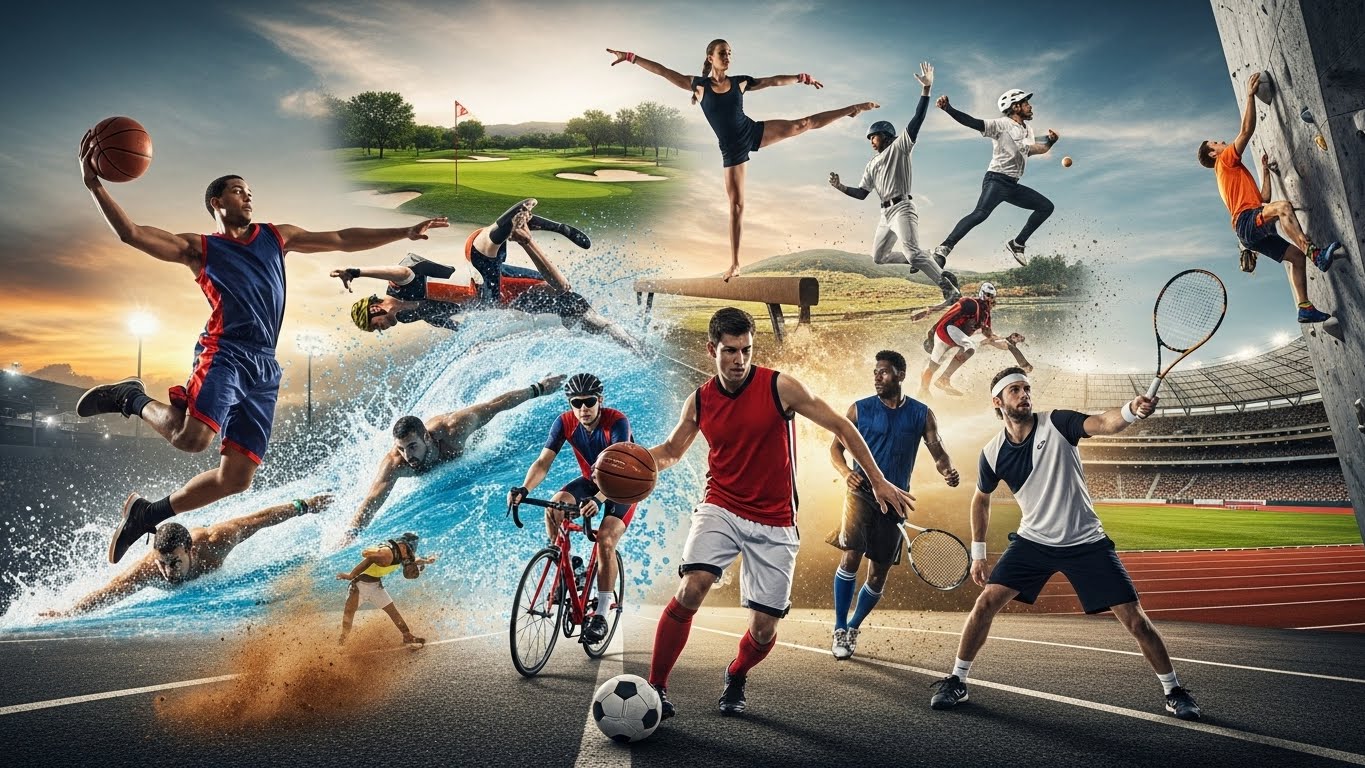
Sports have always been more than simple contests of strength, speed, or skill. From ancient civilizations to modern global tournaments, sports reflect the values, struggles, and dreams of societies. They unite people across borders, teach life lessons without classrooms, and offer moments of joy, heartbreak, and inspiration that stay with us forever. Whether played in packed stadiums or dusty neighborhood fields, sports influence how we think, behave, and connect with others. This blog explores the deeper meaning of sports, their role in personal growth, their cultural importance, and their power to shape the future.
The Historical Roots of Sports
The story of sports is as old as human civilization itself. Early societies used physical competitions to prepare warriors, celebrate harvests, and honor gods. Ancient Olympic Games in Greece were not only athletic events but also spiritual and cultural festivals. Similarly, traditional sports in Asia, Africa, and the Americas reflected local customs and survival needs. Over time, these activities evolved into organized games with rules, governing bodies, and international recognition. Understanding the history of sports helps us see how deeply they are woven into human identity.
Sports as a School of Life
One of the most powerful aspects of sports is their ability to teach life lessons naturally. Discipline is learned through regular practice, patience through gradual improvement, and resilience through defeat. Athletes quickly realize that success does not come overnight and that failure is not the end but a step toward growth. Team sports, in particular, teach cooperation, leadership, and respect for others. These lessons extend beyond the field, shaping individuals into more confident, responsible, and focused members of society.
Physical Health and Mental Wellbeing
Sports play a vital role in maintaining physical fitness and mental balance. Regular participation improves strength, endurance, flexibility, and overall health. In a world increasingly affected by sedentary lifestyles, sports offer a natural and enjoyable way to stay active. Beyond physical benefits, sports significantly impact mental health. Exercise reduces stress, boosts mood, and builds self-esteem. For many people, sports become an emotional outlet, helping them cope with anxiety, pressure, and daily challenges.
The Power of Teamwork and Unity
Team sports highlight the importance of unity and shared goals. A successful team is rarely built on individual talent alone; it thrives on trust, communication, and mutual support. Players learn to celebrate each other’s strengths and compensate for weaknesses. This sense of belonging fosters strong bonds and lifelong friendships. On a larger scale, sports teams often represent cities or nations, bringing diverse communities together under one banner. In moments of victory or defeat, people feel connected, reminding us of our shared humanity.
Sports and Cultural Identity
Sports are a mirror of culture. Different regions favor different games, reflecting local history, climate, and values. Cricket holds a special place in South Asia, football dominates Europe and South America, while basketball has become a symbol of urban culture in many parts of the world. National teams often carry the hopes and pride of millions, turning matches into emotional cultural events. Traditional sports also help preserve heritage, passing customs and stories from one generation to the next.
The Role of Sports Heroes
Athletes often become role models, admired not only for their achievements but also for their character. Sports heroes inspire young people to dream big and work hard. Their journeys, marked by sacrifice and perseverance, show that greatness is earned through effort and belief. When athletes use their platforms responsibly, they can promote positive social change, encourage education, and raise awareness about important issues. Their influence extends far beyond trophies and records.
Challenges and Pressures in Modern Sports
Despite their many positives, modern sports face significant challenges. Intense competition, commercial pressures, and media scrutiny can take a toll on athletes’ mental and physical health. The desire to win sometimes leads to unethical practices, such as doping or corruption. Additionally, unequal access to resources means that talent alone is not always enough to succeed. Addressing these issues requires strong leadership, fair policies, and a renewed focus on the true spirit of sportsmanship.
Technology and the Evolution of Sports
Technology has transformed the world of sports in remarkable ways. Advanced training methods, performance analysis, and medical support have helped athletes reach new levels of excellence. Fans now experience games through multiple platforms, bringing them closer to the action than ever before. While technology enhances accuracy and entertainment, it also raises questions about fairness and tradition. Balancing innovation with the essence of the game remains an ongoing discussion in the sporting world.
Sports as a Tool for Social Change
Sports have a unique ability to drive social progress. They can break down barriers of race, gender, and class by creating equal opportunities on the field. Women’s sports, once overlooked, are gaining recognition and respect, inspiring millions of girls worldwide. Community sports programs help keep young people engaged, promoting discipline and reducing negative influences. Through inclusion and representation, sports can challenge stereotypes and promote understanding.
The Economic Impact of Sports
Beyond emotions and culture, sports have a significant economic impact. Major sporting events create jobs, boost tourism, and stimulate local economies. Sports industries include manufacturing, media, marketing, and education, providing livelihoods for millions. At the grassroots level, local clubs and academies contribute to community development. While financial growth brings opportunities, it also requires responsible management to ensure that profits do not overshadow values.
The Future of Sports
The future of sports looks dynamic and inclusive. Emerging sports and alternative formats are attracting new audiences, while digital platforms are reshaping fan engagement. There is a growing emphasis on athlete wellbeing, sustainability, and ethical practices. As societies evolve, sports will continue to adapt, reflecting new priorities and challenges. The core essence, however, will remain the same: competition driven by passion, respect, and the joy of the game.
Conclusion: The Enduring Spirit of Sports
Sports endure because they speak to something deeply human. They remind us of our limits and our potential, our individuality and our need for connection. In victories, we find celebration; in losses, we find humility and strength. From local playgrounds to global arenas, sports continue to shape lives, cultures, and communities. Beyond the scoreboard and statistics lies a powerful force that inspires, unites, and transforms. In a changing world, the spirit of sports remains a constant source of hope, energy, and shared meaning.