Introduction: More Than Just a Game
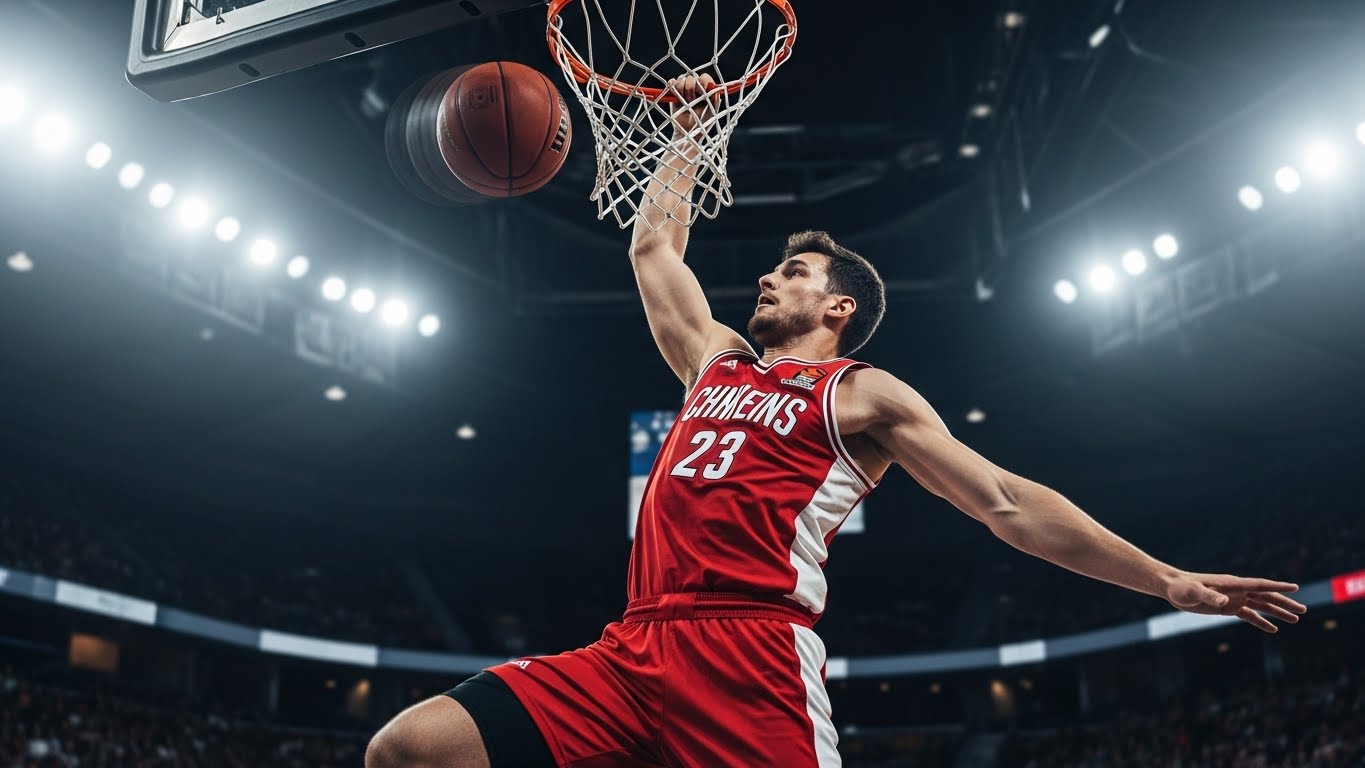
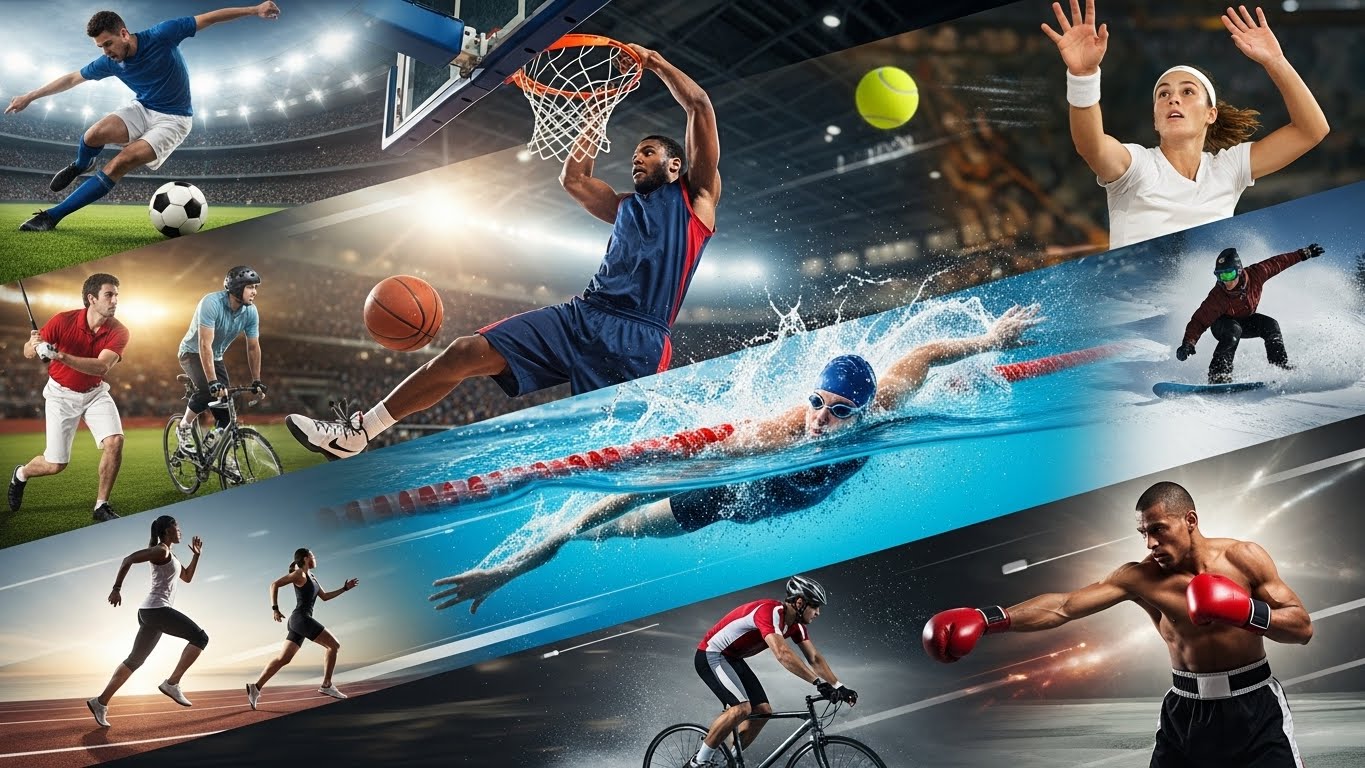
Sports are an essential part of human culture, transcending borders, languages, and generations. They are far more than physical contests—they are platforms for self-expression, teamwork, resilience, and inspiration. Across the globe, people of all ages participate in sports for enjoyment, fitness, competition, or social connection. The appeal of sports lies in their ability to evoke passion, create memories, and foster communities. In this blog, we explore the multifaceted nature of sports, their impact on individuals and societies, and the ways they continue to shape modern life.
The Historical Roots of Sports
The history of sports mirrors the evolution of civilization. Ancient societies used athletic activities as a form of training, entertainment, and ritual. Wrestling, running, and ball games were practiced in various cultures for both physical preparation and ceremonial purposes. The Olympic Games, originating in ancient Greece, highlighted the connection between competition, honor, and civic pride.
Over centuries, sports evolved into organized competitions with defined rules, leagues, and tournaments. The rise of professional sports, formal coaching, and global tournaments transformed athletic contests into spectacles watched by millions worldwide. Today, sports reflect not only physical excellence but also social progress, cultural identity, and human ambition.
Physical and Mental Benefits of Sports
One of the most apparent benefits of sports is physical health. Regular participation strengthens muscles, improves cardiovascular function, enhances flexibility, and builds endurance. Athletes learn to control their bodies, maintain fitness, and adopt disciplined routines that contribute to long-term well-being.
However, sports also profoundly impact mental health. Physical activity releases endorphins that reduce stress and enhance mood. Sports instill focus, patience, and the ability to handle pressure. Competing in team sports teaches collaboration and conflict resolution, while individual sports foster self-reliance and perseverance. The combination of physical exertion and mental engagement makes sports a powerful tool for holistic development.
Sports as a Cultural Force
Sports are deeply woven into the fabric of society. National teams inspire pride and unity, while local clubs strengthen community bonds. Events such as the World Cup, the Olympics, and regional championships showcase cultural traditions, rituals, and collective identity. Spectators rally around athletes and teams, creating shared experiences that transcend age, gender, and social class.
Moreover, sports often reflect societal values. Principles such as fair play, teamwork, dedication, and respect are central to athletic competition. Many movements for social change—gender equality, racial inclusion, and youth empowerment—have been advanced through sports. By connecting people across boundaries, sports foster understanding and cultural exchange.
The Evolution of Professional Sports
Professional sports have transformed into global phenomena, combining entertainment, economics, and athletic excellence. Athletes are no longer just competitors; they are influencers, role models, and cultural icons. Leagues and tournaments generate immense revenue through ticket sales, sponsorships, merchandising, and broadcasting rights.
Global competitions like the Olympics and World Cups highlight the pinnacle of athletic achievement. These events inspire millions to pursue sports, create opportunities for emerging talent, and provide platforms for nations to showcase their capabilities. Professional sports illustrate the intersection of dedication, strategy, and human potential on a worldwide scale.
Technology’s Role in Modern Sports
Technology has revolutionized both participation and spectatorship in sports. Advanced analytics, wearable devices, and performance monitoring allow athletes to optimize training and reduce injuries. Virtual simulations, biomechanical analysis, and video replay systems refine techniques and strategies, raising the standard of competition.
For fans, technology enhances the viewing experience. High-definition broadcasts, interactive apps, and real-time statistics create immersive engagement. Social media connects audiences with athletes, providing insights into training, personal life, and behind-the-scenes moments. Technology ensures that sports remain dynamic, engaging, and accessible to a global audience.
Youth Development Through Sports
Sports play a critical role in the development of young people. Participation in athletics nurtures leadership, teamwork, discipline, and problem-solving skills. Children and teenagers learn to cope with success and failure, set goals, and develop self-confidence.
Organized youth sports programs provide safe spaces for social interaction, mentorship, and character building. Many professional athletes attribute their careers to early exposure to sports and structured guidance. Beyond physical skill, youth sports instill values that help shape responsible, resilient, and confident individuals.
Economic and Social Impacts of Sports
Sports have significant economic and societal influence. They generate employment opportunities in coaching, management, broadcasting, and event organization. Major sporting events stimulate tourism, drive infrastructure development, and increase national and local visibility.
On a societal level, sports build social cohesion, promote healthy lifestyles, and foster community engagement. They create spaces where diverse groups can connect over shared passion. Sports also inspire social responsibility, encouraging athletes and organizations to contribute positively to communities through outreach, education, and advocacy.
Challenges in the World of Sports
Despite the benefits, sports face numerous challenges. Doping, corruption, and unethical practices threaten integrity. Socioeconomic barriers, gender inequality, and limited access prevent many from participating. The pressures of professional competition can affect mental health, leading to stress, anxiety, or burnout.
Addressing these challenges requires collective effort from governing bodies, athletes, coaches, and communities. Promoting fair play, inclusivity, and mental well-being ensures that sports remain a force for personal growth and social good.
The Future of Sports
The future of sports is full of innovation and possibilities. Virtual reality and augmented reality could redefine competition and fan engagement. Esports continue to expand the definition of sports, creating new opportunities for interaction and competition. Sustainability is becoming a priority in organizing events, reflecting a growing awareness of environmental responsibility.
Despite technological advancements, the essence of sports remains constant. They are about human potential, perseverance, connection, and inspiration. As sports evolve, they will continue to reflect the aspirations, values, and dreams of humanity.
Conclusion: The Enduring Power of Sports
Sports are more than competitions—they are expressions of human spirit. They impact physical health, mental well-being, social bonds, and cultural identity. They inspire generations, unite communities, and teach lessons in discipline, teamwork, and resilience.
Whether enjoyed casually or followed passionately, sports enrich lives, foster personal growth, and connect people across the globe. They remind us of the joy of movement, the thrill of competition, and the power of shared experiences. In essence, sports are a celebration of life, ambition, and the enduring pursuit of excellence.