
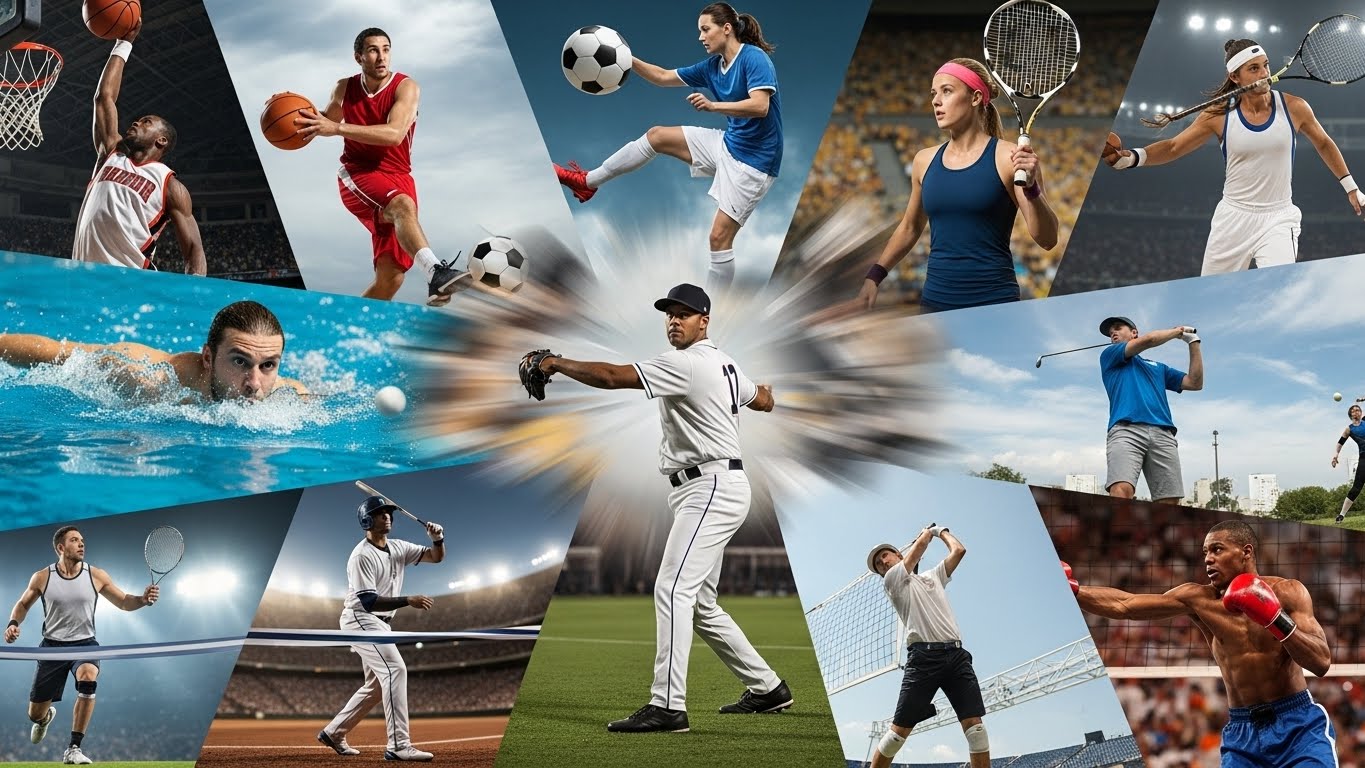
Introduction: The Universal Language of Sports
Sports have been an integral part of human civilization for centuries. From the earliest athletic contests in ancient civilizations to the global spectacles of today, sports transcend language, culture, and geography. They are more than physical contests—they inspire passion, foster community, and reflect societal values.
Sports influence not only physical well-being but also mental resilience, teamwork, and personal development. They provide a platform for talent, a stage for heroes, and a medium through which communities unite. In this blog, we explore the evolution of sports, their impact on individuals and society, the cultural significance, and the future of sports in a rapidly changing world.
The Evolution of Sports Through History
The history of sports is as old as civilization itself. Ancient societies celebrated physical contests as a means of competition, entertainment, and ritual. The Greeks formalized athletics with the Olympic Games, emphasizing excellence, discipline, and honor. In ancient Rome, gladiatorial contests and chariot races were not only entertainment but also a display of political power and social hierarchy.
Sports evolved differently across cultures. Martial arts in Asia, for instance, combined physical training with philosophy and self-discipline. Indigenous communities developed games that reinforced community values, survival skills, and social cohesion.
With the passage of time, sports became organized, codified, and institutionalized. Modern rules, leagues, and international competitions transformed sports into both professional careers and mass entertainment. The evolution of technology, media, and transportation expanded the reach of sports, making them a global phenomenon.
The Physical Benefits of Sports
Engaging in sports has undeniable physical advantages. Regular participation improves cardiovascular health, strengthens muscles and bones, and enhances flexibility and coordination. Sports like swimming, running, and cycling build stamina, while team sports such as soccer, basketball, and hockey improve agility and reflexes.
Beyond fitness, sports contribute to overall health by promoting healthy habits and preventing lifestyle-related illnesses. Children who participate in sports develop motor skills, better posture, and endurance, laying a foundation for a lifetime of physical well-being. Adults benefit from stress relief, increased energy levels, and the maintenance of a healthy weight.
The physical benefits of sports are universal, making them an essential component of a balanced and active lifestyle.
Mental and Emotional Benefits of Sports
Sports influence mental health and emotional resilience as much as they affect physical well-being. Participation enhances concentration, decision-making skills, and cognitive abilities. It teaches discipline, patience, and the value of consistent effort.
Engaging in competitive or team sports fosters emotional growth. Wins build confidence, while losses teach humility and perseverance. Sports provide an outlet for stress, anxiety, and frustration, offering players a sense of purpose and achievement.
Team sports, in particular, teach collaboration and emotional intelligence. Athletes learn to communicate effectively, handle conflict, and empathize with teammates, skills that extend into everyday life and professional environments.
Team Sports: Collaboration and Strategy
Team sports like football, basketball, and volleyball emphasize cooperation, strategy, and communication. Players must work together, understand each other’s strengths and weaknesses, and execute strategies effectively. Team sports mirror real-life situations where collaboration is essential for success.
The camaraderie built through team sports strengthens social bonds. Friendships are formed, trust is developed, and leadership skills emerge. Team sports also teach players to balance individual ambition with collective goals, a lesson valuable beyond the field.
Strategy in team sports extends cognitive development. Athletes analyze opponents, anticipate plays, and make split-second decisions, fostering critical thinking and problem-solving skills that are applicable in many areas of life.
Individual Sports: Discipline and Self-Mastery
Individual sports like tennis, athletics, swimming, and martial arts focus on personal skill, discipline, and self-mastery. Athletes must motivate themselves, set goals, and push their limits without relying on a team.
These sports cultivate perseverance, focus, and resilience. Each training session is a test of commitment, each competition an opportunity to measure personal growth. Individual sports teach athletes to take responsibility for their actions and to overcome challenges independently, fostering confidence and self-awareness.
The success of individual athletes inspires admiration and motivates others to pursue excellence in their own pursuits, emphasizing the power of dedication and hard work.
Sports and Cultural Significance
Sports play a crucial role in shaping culture and identity. National pride often finds expression through athletic achievements in events such as the Olympics, World Cup, and international championships. Athletes become cultural icons, inspiring generations and representing the values of determination, resilience, and excellence.
Local and regional sports also strengthen community bonds. Traditional games, festivals, and competitions celebrate cultural heritage and provide a sense of belonging. Sports narratives, whether through stories of triumph or rivalry, become part of cultural memory and collective identity.
In addition, sports can serve as a platform for social change. Athletes use their influence to advocate for equality, environmental awareness, and humanitarian causes, demonstrating the societal impact of sports beyond competition.
Economic Impact of Sports
Sports have a significant economic dimension. Professional leagues, international tournaments, and endorsements generate billions in revenue annually. Cities hosting major events benefit from tourism, infrastructure development, and global recognition.
The sports industry also provides employment opportunities, from coaching and refereeing to sports medicine, media, and event management. Merchandise, sponsorships, and media rights contribute to the financial ecosystem surrounding sports, demonstrating their role as a major economic driver worldwide.
Grassroots programs and local sports clubs further stimulate economies by creating jobs, encouraging youth participation, and supporting local businesses. Sports, therefore, are both a cultural and economic asset.
Technology and Modern Sports
Technology has revolutionized how sports are played, watched, and analyzed. Advanced equipment, wearable devices, and performance-tracking systems enhance athletic performance and safety. Video replay systems and officiating technology ensure fairness and accuracy in competitions.
Digital media and broadcasting allow global audiences to watch live events from anywhere in the world, increasing fan engagement and community. Virtual reality, augmented reality, and interactive platforms are beginning to change how fans experience sports, offering immersive perspectives previously unavailable.
Social media enables athletes to connect directly with fans, share their journeys, and inspire communities. Technology ensures that sports remain dynamic, accessible, and increasingly engaging for players and spectators alike.
The Role of Sports in Education
Sports are a fundamental aspect of education, promoting physical fitness, discipline, and social skills. Schools and universities integrate athletics into curricula to nurture holistic development. Student-athletes learn time management, teamwork, and resilience—qualities that enhance academic and personal success.
Participation in sports programs encourages inclusivity, self-esteem, and leadership development. Educational institutions that prioritize athletics provide students with opportunities to explore potential careers in sports, fitness, and related industries.
Moreover, sports in education foster a sense of community and school spirit, uniting students, teachers, and families around shared achievements and events.
The Future of Sports
The future of sports promises innovation, inclusivity, and greater global connectivity. Emerging technologies like virtual reality and artificial intelligence will enhance training, strategy, and fan experiences. Esports and digital competitions are expanding the definition of sports, merging physical and digital athleticism.
Increased emphasis on gender equality and accessibility ensures that sports reach more participants worldwide. Global collaboration and international leagues will continue to strengthen cultural exchange and understanding.
Despite these advancements, the core values of sports—discipline, perseverance, teamwork, and passion—will remain timeless. Sports will continue to inspire, challenge, and unite people across generations and cultures.
Conclusion: Sports as a Pillar of Society
Sports are more than games; they are a vital part of human experience. They shape physical health, mental resilience, cultural identity, and social cohesion. Through competition, teamwork, and personal achievement, sports teach lessons that extend far beyond the field.
From ancient athletic contests to modern professional leagues, sports inspire passion, foster community, and drive economic and technological innovation. They connect people, transcend boundaries, and reflect the best of human spirit and potential.
In every kick, sprint, and swing, sports remind us of the power of perseverance, the thrill of competition, and the joy of shared experiences. They are a celebration of human achievement, a source of inspiration, and a cornerstone of society.