
Introduction
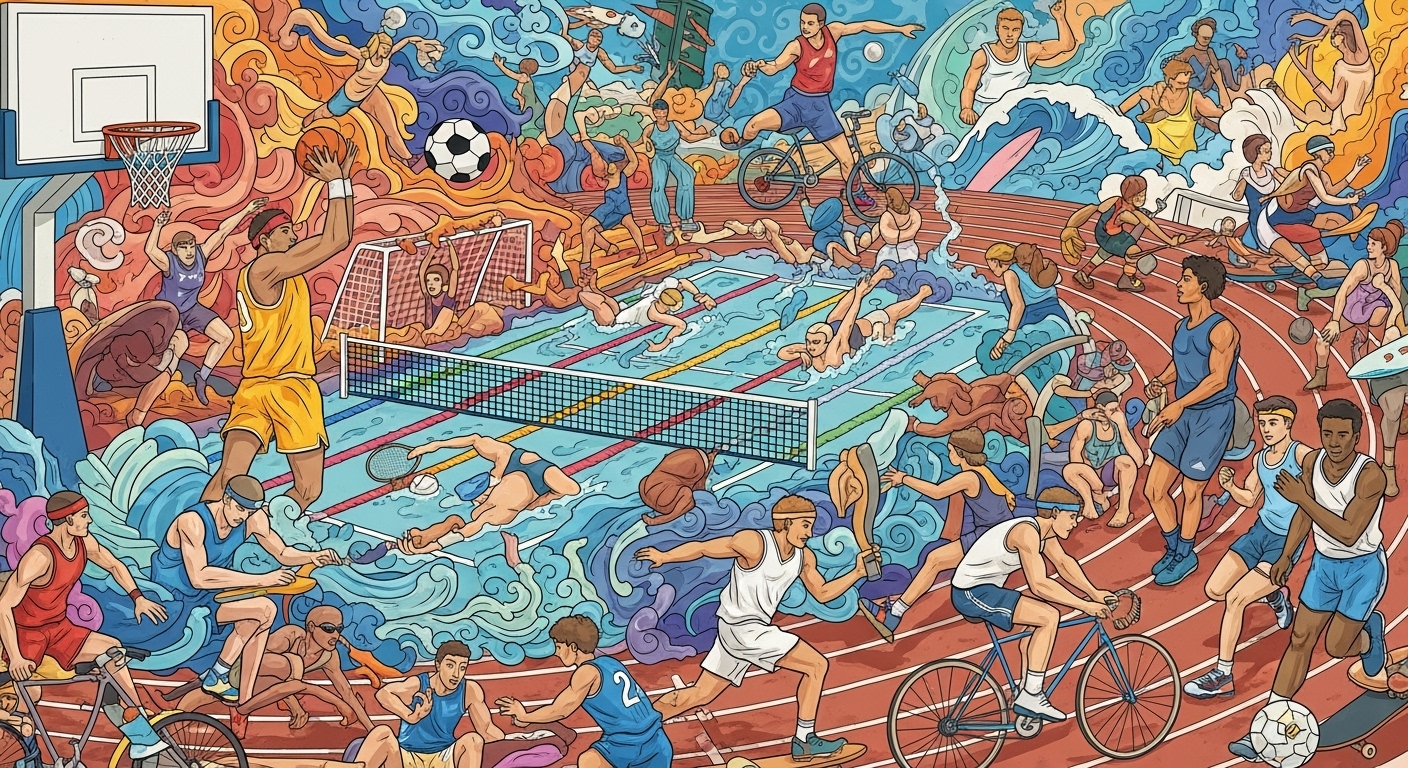
Sports are more than just games; they are a reflection of human spirit, discipline, and resilience. From the thrill of victory to the lessons learned in defeat, sports influence individuals and communities in profound ways. They foster teamwork, promote physical and mental well-being, and provide a platform for social and cultural unity. In modern society, sports have evolved from simple recreational activities into professional industries, educational tools, and instruments of social change. This blog explores the evolution of sports, their impact on society, health, and culture, and the challenges and opportunities they present in the contemporary world.
The Evolution of Sports
Sports have been a part of human life for thousands of years. Early civilizations engaged in athletic activities as a form of training, recreation, or ritual. Ancient Greece introduced organized competitions, including the Olympic Games, which celebrated physical excellence and competition. Other cultures developed unique sports reflecting their environment and traditions, such as wrestling in Mesopotamia, archery in Asia, and ball games in Mesoamerica.
With the passage of time, sports became formalized, with standardized rules, teams, and governing bodies. The Industrial Revolution made organized sports accessible to a broader population, while advances in transportation and communication allowed national and international competitions to flourish. Today, sports have become a global phenomenon, connecting people across continents through shared passion and competition.
The Physical Benefits of Sports
Participation in sports provides numerous physical benefits. Regular athletic activity strengthens the cardiovascular system, builds muscle and bone density, enhances flexibility, and improves coordination and balance. Sports also help maintain healthy body weight and reduce the risk of chronic diseases, including diabetes, hypertension, and obesity.
Team sports encourage dynamic movement, endurance, and agility, while individual sports like swimming, running, or gymnastics help improve personal stamina and discipline. For young people, early involvement in sports lays the foundation for lifelong fitness habits and an understanding of the importance of maintaining a healthy lifestyle.
Mental and Emotional Benefits of Sports
While the physical benefits of sports are evident, their impact on mental and emotional health is equally significant. Engaging in sports reduces stress, anxiety, and depression by promoting the release of endorphins—chemicals that boost mood and well-being. Team sports foster social interaction, friendship, and a sense of belonging, all of which contribute to emotional resilience.
Sports also teach valuable life skills, including focus, patience, strategic thinking, and problem-solving. Learning to cope with both victory and defeat helps individuals develop emotional intelligence and self-confidence. Athletes often transfer the perseverance, discipline, and resilience gained through sports into other areas of life, from academics to careers.
Sports as a Social Connector
Sports have a unique ability to unite people across cultures, communities, and generations. Major sporting events, such as the Olympic Games, the FIFA World Cup, or international cricket tournaments, bring nations together, fostering a sense of pride and shared identity. Local and regional leagues strengthen community bonds, providing opportunities for youth engagement and social interaction.
Moreover, sports serve as a platform for social change. Athletes and teams often use their visibility to advocate for causes such as equality, health awareness, and education. By inspiring collective action, sports help communities address challenges and promote inclusivity, diversity, and social cohesion.
The Economic Impact of Sports
Sports are a significant driver of economic growth. Professional leagues, tournaments, broadcasting rights, sponsorships, and merchandise sales generate billions of dollars globally. Major events attract tourism, create jobs, and stimulate infrastructure development, benefiting host cities and countries economically.
The sports industry also supports ancillary sectors, including sports equipment manufacturing, apparel, nutrition, fitness centers, and training academies. Furthermore, sports-related careers, from coaching and refereeing to sports medicine and journalism, provide long-term employment opportunities, making sports both culturally and economically valuable.
Youth Development Through Sports
Engaging young people in sports is critical for personal development and societal progress. Participation teaches teamwork, discipline, leadership, and resilience while encouraging physical fitness. Schools and community programs offer platforms for skill development and talent identification, enabling youth to pursue professional careers or scholarships.
Youth involvement in sports also discourages sedentary lifestyles and risky behaviors by providing structured, positive activities. It promotes confidence, goal-setting, and perseverance, equipping young people with the skills needed for success in academics, careers, and life.
Technological Advancements in Sports
Technology has transformed the way sports are played, analyzed, and consumed. Wearable devices track athletes’ performance, including heart rate, speed, and movement patterns, enabling data-driven improvements. Video replay systems and goal-line technology ensure fairness and accuracy in officiating. Advanced analytics help teams develop strategies, optimize performance, and reduce injuries.
Virtual and augmented reality are enhancing fan engagement and training experiences. Fans can experience immersive viewing experiences from home, while athletes can simulate real-game scenarios during practice. Technology is making sports more interactive, precise, and accessible than ever before.
Gender Equality in Sports
Historically, sports were dominated by men, but the landscape has changed significantly. Women’s participation in sports has grown, with female athletes gaining recognition and opportunities at professional and international levels. Initiatives promoting gender equality, equal pay, and representation in media have helped close the gap.
Encouraging girls and women to engage in sports promotes physical health, self-confidence, and social empowerment. Inclusive policies ensure that talent, skill, and dedication—rather than gender—determine opportunities for success, making sports a platform for equality and empowerment.
Sports and Global Diplomacy
Sports often serve as a tool for diplomacy and international cooperation. Competitions foster mutual respect, cultural exchange, and shared experiences that transcend political differences. Countries use international tournaments to strengthen diplomatic ties, showcase national pride, and promote peace and goodwill.
Athletes themselves can act as ambassadors, promoting understanding and collaboration through personal conduct and participation in international events. Sports diplomacy demonstrates how athletics can create common ground, fostering global harmony and cooperation.
Challenges Facing Modern Sports
Despite its benefits, modern sports face several challenges. The commercialization of sports sometimes overshadows fair play, leading to issues such as match-fixing, doping, and corruption. Intense pressure on athletes can contribute to physical injuries, burnout, and mental health struggles.
Additionally, unequal access to sports remains a concern. Economic, social, and cultural barriers limit opportunities for participation in many regions. Governing bodies, communities, and policymakers must work together to ensure that sports remain inclusive, ethical, and beneficial to all.
The Future of Sports
The future of sports promises innovation, inclusivity, and sustainability. Technology will continue to enhance training, performance, and fan engagement. Virtual competitions, esports, and hybrid sports experiences are expanding what it means to participate in athletics.
Sustainability initiatives, such as eco-friendly stadiums and responsible event planning, are becoming essential to reduce environmental impact. Efforts to promote inclusivity will ensure participation across genders, abilities, and social backgrounds. The evolution of sports will reflect societal changes while continuing to inspire excellence, resilience, and unity worldwide.
Conclusion
Sports are a reflection of human ambition, culture, and community. They improve physical and mental health, foster social cohesion, drive economic growth, and inspire generations. From local playgrounds to global arenas, sports shape values, nurture talent, and create opportunities for connection and achievement.
As society progresses, sports will continue to be a force for positive change, uniting people, promoting equality, and celebrating the human spirit. Whether through personal participation, community engagement, or global competitions, sports remain a universal language that teaches resilience, teamwork, and the pursuit of excellence.